


Similiar games

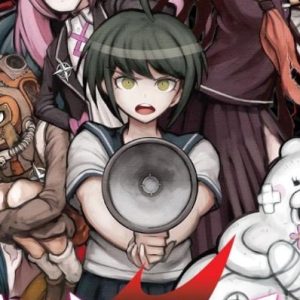

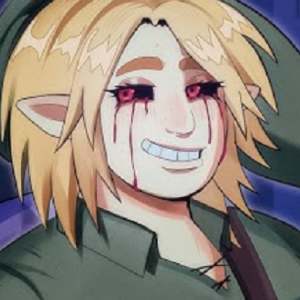
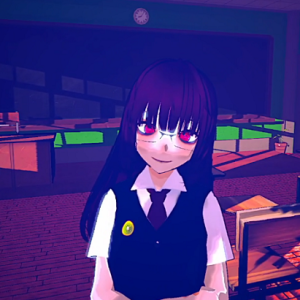
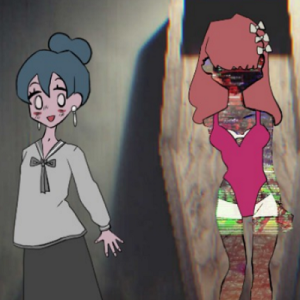

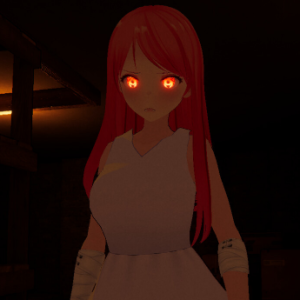


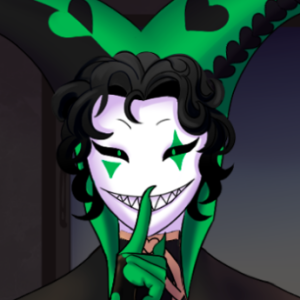
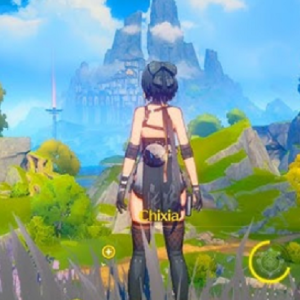

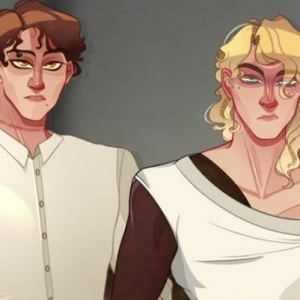
Doki Doki Literature Club! looks like a school romance visual novel at the beginning, but it is officially presented as a psychological horror story. The player joins a school literature club after being invited by Sayori, the protagonist’s childhood friend. The club includes Sayori, Yuri, Natsuki, and Monika, and the early structure focuses on club meetings, poems, and relationship choices. The Steam page also warns that the game is not suitable for children or people who are easily disturbed.
Story and Club Setting
The game has a clear story, but it is not divided into action levels or combat missions. The plot begins with a familiar visual novel setup: the player character joins the Literature Club, talks with the members, and writes poems that can affect which character receives more attention. Over time, the story changes direction and moves into psychological horror. The main campaign is built around reading, choices, character interactions, and changes in how the game presents itself.
Main Gameplay Actions
A playthrough of Doki Doki Literature Club! usually includes these actions:
- Read dialogue and narration from a first-person perspective.
- Make occasional choices during story scenes.
- Write poems by selecting words.
- Spend time with different club members.
- Watch how character routes and scenes change.
- Continue through the visual novel structure.
- Pay attention to warnings and disturbing story elements.
Poems, Choices, and Progress
Doki Doki Literature Club! does not use levels in the traditional sense. Progress comes from moving through scenes and acts of the story. The main interactive system is the poem-writing section, where the player chooses words that can favor specific club members. This affects some scenes and relationship focus, although the overall story has a directed structure. The game is mostly text-based, with static character art, background images, music, and interface changes used to deliver the narrative.
Versions and Extra Content
The original Doki Doki Literature Club! was released by Team Salvato in 2017, while Doki Doki Literature Club Plus! was released in 2021 with additional content. The Plus version includes the main story and extra side stories that focus on the club members and their relationships before the main campaign. These side stories are separate from the horror direction of the main game and give more background to the characters. To play the game properly, the player should treat it as a narrative experience, read carefully, and understand that its tone changes significantly after the opening school-club setup.
