


Similiar games










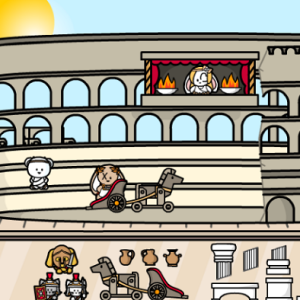



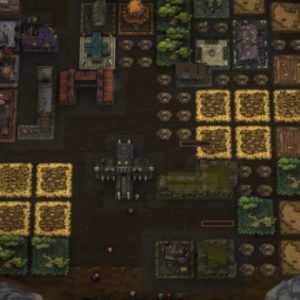


Managing a few people beside an isolated campfire is the starting point of every settlement in Hearth and Hamlet. Players gradually create a medieval community by producing materials, constructing buildings, and assigning residents to different occupations. The game combines active clicking with automated resource collection, so progress continues while workers complete their tasks and the player decides how the available materials should be invested.
Developing a Living Settlement
Hearth and Hamlet does not follow a conventional plot with missions, dialogue choices, or a main character. Its narrative is expressed through the transformation of the settlement. The population moves from tents into houses, basic production expands into organized commerce, and the original camp eventually becomes a kingdom with roads, defenses, public buildings, and magical facilities.
Managing Production and Population
Every worker can contribute to a particular part of the economy. Players must maintain food supplies while gathering wood, stone, gold, and magic for construction and research. New buildings increase production, storage, population capacity, or access to additional mechanics. Happiness also affects efficiency, making living conditions and civic decisions relevant to long-term growth.
The settlement can eventually contain:
- Farms and other sources of food
- Homes for new residents
- Taverns, shops, and marketplaces
- Churches, banks, and town halls
- Barracks, castles, and magical academies
Technology and Kingdom Policies
There are no traditional numbered levels based on combat or platforming. Progress is divided into development phases controlled by population milestones, buildings, and research. The technology tree unlocks permanent upgrades, new construction options, alchemy, magic, and government policies. Trade routes provide access to distant territories, rare materials, and artifacts, while soldiers and guards defend the population from raiders, monsters, and dangerous animals.
Playing efficiently requires balancing immediate needs with future expansion. Food production should remain high enough to support new residents, but workers must also collect construction materials. Before purchasing an upgrade, players can examine which resource or building it unlocks and whether it solves a current shortage. Storage should be expanded before production reaches its limit. Laws can adjust taxes, working rules, security, and resident welfare, creating different economic results. When growth slows, reassigning workers or researching a production bonus can restore progress. The basic cycle consists of collecting resources, increasing the workforce, adding buildings, unlocking technology, and reorganizing the kingdom as more systems become available.
