

Similiar games










Choosing where to place a word can matter as much as the word itself in Scrabble Against Computer. The player competes directly with an AI opponent on the standard Scrabble board, using letter tiles to create connected words and collect points. There is no storyline, character development, or campaign. Each match is independent, and victory depends on finishing with a higher score once the available tiles and playable moves have been exhausted.
Using the Board Efficiently
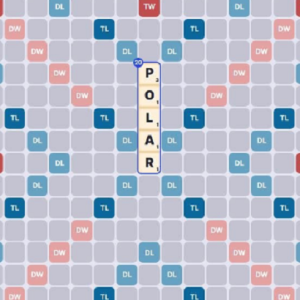
Both sides begin with a rack of letters and take turns adding words to the grid. After the opening move, every new word must connect with existing tiles, either by crossing another word or extending one already on the board. New letters are drawn after a turn to refill the rack. Because the available letters constantly change, players need to reconsider their options after almost every move instead of following one fixed plan.
Managing Letters and Points
Important decisions during a match include:
- saving useful combinations of vowels and consonants;
- placing expensive letters on bonus squares;
- extending existing words with prefixes or suffixes;
- creating several valid words in one move;
- using short words to reach valuable board positions;
- exchanging tiles when the rack becomes difficult to use;
- avoiding placements that give the computer an easy Triple Word opportunity.
The score for each move is calculated from the values of the letters used, with premium board spaces increasing certain letters or the complete word. A seven-letter play can also provide a large bonus, making rack management important throughout the match.
Adapting to the AI Opponent
Scrabble Against Computer may offer different AI difficulty settings depending on the version being played. Lower settings tend to make simpler or less efficient moves, while stronger opponents are more likely to find high-scoring placements and take advantage of premium squares. This provides a way to increase the challenge without using traditional numbered levels.
The match usually becomes more tactical as the board fills. Open spaces become limited, long words are harder to place, and short connecting plays become increasingly useful. Near the end, players also need to consider the letters remaining on their rack because unused tiles can affect the final result. Winning consistently requires balancing immediate points with board control, keeping flexible letters for future turns, and recognizing opportunities that limit the computer while creating stronger moves for the next round.
