

Similiar games


















The Auction is an art-price guessing game created by Neal Agarwal. Instead of bidding against computer-controlled collectors, the player examines works that have already been sold at real auctions and estimates their final prices. Each entry includes an image of the object, the artist’s name, the title, and the approximate year of creation. The objective is to make an estimate as close as possible to the recorded sale value.
Looking for Clues in the Artwork
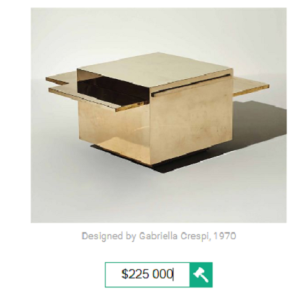
A round begins with one painting, sculpture, decorative object, or furniture piece. The player studies the available information and enters a price before seeing the answer. After the estimate is confirmed, the game reveals the actual auction result and awards points according to the difference between the two amounts. A close prediction receives more points, while a guess far above or below the sale price produces a lower result.
Nine Lots Form a Complete Session
The Auction does not contain a storyline, characters, or explorable locations. Its structure consists of nine consecutive auction lots selected for the current game. Each work functions as a separate level, but the rules remain unchanged throughout the session. Prices vary from several thousand dollars to tens of millions, so judging every item by appearance alone can lead to large errors.
Before submitting an estimate, players can consider:
- whether the artist is widely collected;
- the year and period in which the work was created;
- whether the lot is unique or part of a series;
- the type, size, and condition suggested by the image;
- prices revealed during previous rounds.
Building a Better Final Score
Gameplay requires only examining the lot, choosing a monetary value, and confirming the prediction. There is no timer, limited budget, or risk of losing an item to another bidder. Earlier results can help establish the game’s price range, although one expensive work may differ greatly from the next. Players should avoid assuming that an older or more detailed object is automatically worth more.
After all nine lots have been evaluated, The Auction combines the results into a score ranging from 0 to 1,000 points. The session then ends without a branching conclusion or additional campaign. Players can restart to receive another selection of artworks and try to improve their valuation skills. Repeated games also reveal how strongly an artist’s reputation, rarity, and auction demand can influence a price that may not be obvious from the image.
