

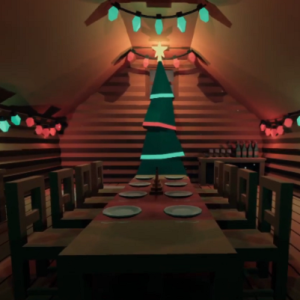
Similiar games



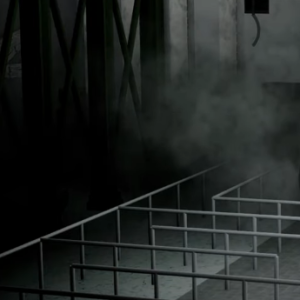








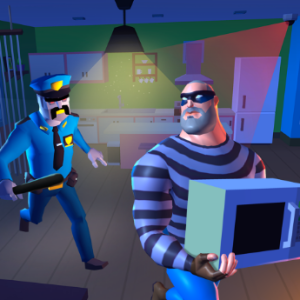
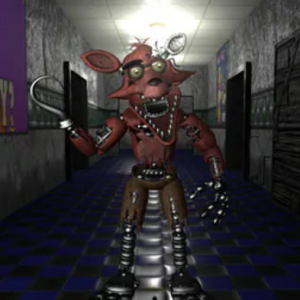
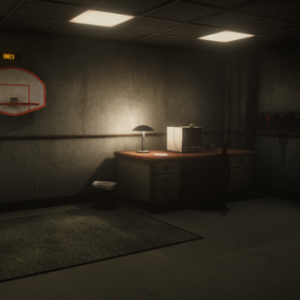
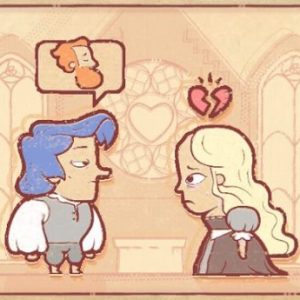
The Cabin Game treats every round at the table as a trigger for something larger happening inside the house. The player is not simply trying to win a card game, but to understand how each choice changes the surrounding cabin. New rooms can appear, old routes can become less useful, and clues may only become accessible after certain cards have been played. Escaping means learning how the table and the building influence each other.
Reading the Cabin
Exploration becomes more important after every major change. Players leave the card table, search through newly opened areas, and check whether previous rooms now contain anything different. Because the layout is not completely fixed, relying on one memorized route is rarely enough.
A typical session can involve:
- choosing cards with different effects;
- opening access to new sections;
- inspecting rooms for clues;
- tracking environmental changes;
- avoiding supernatural dangers;
- comparing information with other players;
- revisiting earlier locations;
- deciding when to split up;
- looking for the conditions needed to escape.
Decisions With Shared Consequences
The multiplayer structure means one person’s choice can affect the entire group. A card that looks useful in the short term may create a problem somewhere else in the cabin, forcing everyone to adapt. Cooperation helps when players divide the search, report what has changed, and coordinate important decisions at the table.
At the same time, the game allows room for uncertainty between players, since not every action benefits the group equally.
Finding a Way Out
The final goal is not tied to a simple linear sequence of rooms. Players have to gather enough information to understand what the cabin expects from them and which actions move the group closer to an exit. Some clues only make sense after several changes have occurred.
The Cabin Game combines first-person horror, exploration, and card-based decision making into a repeating escape scenario. Each run develops through a cycle of playing cards, watching the house react, searching altered rooms, and adjusting the plan. Progress depends on observation and communication as much as on the cards themselves.
