

Similiar games
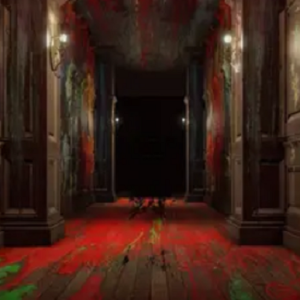

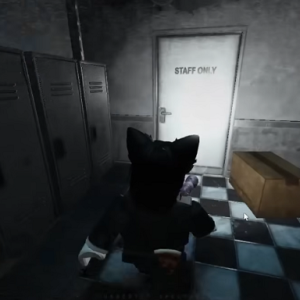
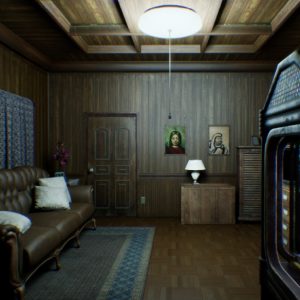
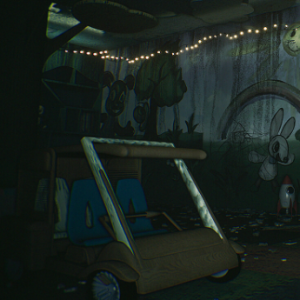

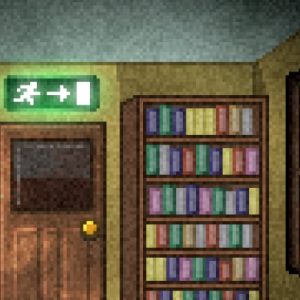
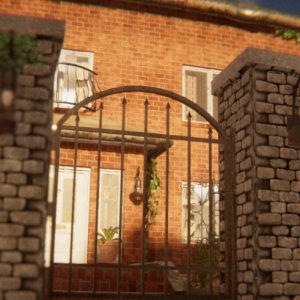
That’s Not My Mom! is a first-person anomaly-detection horror game about an elementary school student returning home after class. Each time the boy enters the house, he notices that his surroundings or his mother may have changed. Similar incidents are occurring across the city, suggesting that the situation is not limited to one family. The story follows his attempts to understand the outbreak and determine whether the person inside the house is actually his mother.
A House That Changes Each Day
The first day serves as a tutorial and gives the player time to memorize the normal version of the house. Important details include the positions of chairs, vases, paintings, picture frames, cushions, doors, and other household objects. On later visits, the player searches the same rooms and compares them with this original layout. Some anomalies are small, such as a missing frame, while others immediately change the situation.
Signs of an Anomaly
Changes can affect objects, decorations, animals, room layouts, and the mother herself. Examples include duplicated furniture, oversized pots, additional crosses, altered faces in pictures, missing objects, and unusual numbers of vases. The mother may sit in a different place, follow the player, hide against the background, appear deformed, or transform into a spider-like entity. Later encounters can become chases, so the player must react instead of continuing the inspection.
The main actions and methods are:
- Use the movement keys to walk through the house.
- Control the camera with the mouse and examine objects from different angles.
- Use the assigned interaction key when the game presents an interactive element.
- Inspect the rooms in the same order on every return.
- Compare object positions and quantities with the memorized house.
- Sprint and maintain distance when an entity begins pursuing the character.
Days, Encounters, and Progression
The game does not use conventional levels with separate maps. Its progression is divided into days, with each day functioning as a short inspection or encounter. The sequence begins with memorization and continues through multiple anomaly situations until the final day. Some days focus on changes to the environment, while others place the mother in unusual locations or introduce an active threat. The later part includes direct pursuit, a final encounter, and an ending cutscene. Additional anomaly combinations provide reasons to repeat sections and look for changes that did not appear during the first playthrough.
