

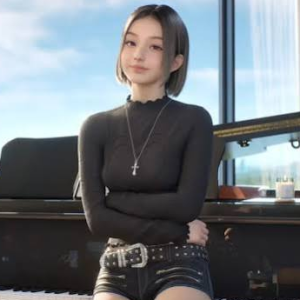
Similiar games










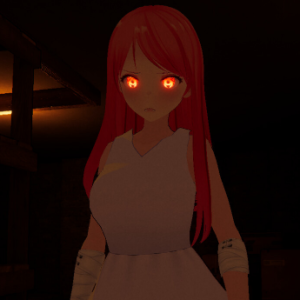


Music is the main form of interaction in BSide: Olivia Lin. The experience introduces Olivia Lin, a student whose primary subject is piano and whose secondary subject is psychology. Users spend time with her by watching performances, creating videos from musical files, and exchanging written messages. It functions as an interactive companion experience rather than a game based on victory or failure.
A Music-Based Companion
Olivia’s character profile provides the narrative context. She collects vinyl records, watches old films, prefers rainy days, and studies the relationship between memories and music. These interests shape her conversations and presentation. BSide: Olivia Lin does not tell a continuous story through quests or cutscenes. Instead, users learn about Olivia through repeated interactions, musical content, and her responses to personal letters.
Creative Tools
The music system allows users to listen to prepared piano performances or add their own compositions. Uploaded MIDI data is processed and turned into a video showing Olivia performing the piece. This gives each musical file a visual form without requiring the user to control the character directly. Available activities include:
- choosing and playing Olivia’s recorded performances;
- uploading a compatible MIDI composition;
- generating a video based on the uploaded notes;
- reviewing the visual performance of an original piece;
- writing a letter to Olivia;
- receiving a generated answer related to the letter’s subject.
How Interaction Works
There are no levels, maps, battles, puzzles, or upgrade systems in BSide: Olivia Lin. Users do not need to complete tasks in a specific sequence. Every major function can be treated as a separate activity, so a session may focus entirely on listening to piano music, testing an original composition, or exchanging letters. Progress is personal and depends on the amount of content the user creates or explores.
To begin, select a performance if you want to listen to Olivia play. For a custom result, prepare a MIDI file, upload it, and start the generation process. The application interprets the musical information and produces a corresponding performance video. Users interested in conversation can open the letter section and write about an idea, memory, emotion, or daily event. The AI text system responds in Olivia’s voice and follows her established personality. Since there is no ending or final objective, users can return to the same functions whenever they want to hear another piece, visualize new music, or continue the written exchange.
