

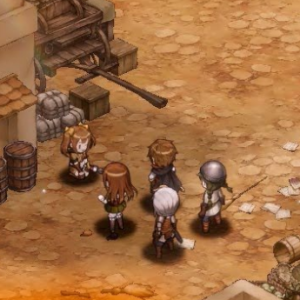
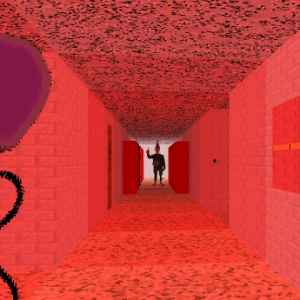
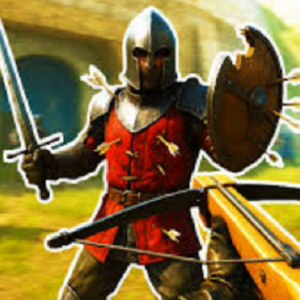
Similiar games








Behind Brown Dust 2’s illustrated world is a tactical system built around placement, timing, and limited skill resources. Players explore towns and dungeons, speak with characters, collect items, and enter turn-based battles against arranged enemy formations. A party can contain up to five units, with every character occupying one position on a compact 3×4 grid.
Conflict With Dark Magic
The story takes place before the events of the first Brown Dust and follows Lathel after he becomes involved in a dark mage’s plans. His unusual blood connects him to dangerous magical experiments. He travels with Justia and other allies while investigating Cocytus, fighting its agents, and visiting regions affected by the organization. Side stories and Character Packs provide separate scenarios with different settings and playable casts.
Building a Battle Plan
Before each turn, players can reposition party members, select their abilities, and choose the order in which actions occur. Once confirmed, the team performs its complete sequence before the enemy responds. Skills use a shared supply of SP, while costumes give characters alternative attacks or support abilities. Important tactical options include:
- arranging units to control which enemies they target;
- applying attack, defense, or critical-rate bonuses;
- weakening physical or magical resistance;
- using knockback to move enemies across the grid;
- combining area attacks with enemy positioning;
- protecting low-health attackers with tanks or barriers.
Packs, Stages, and Progression
Story Packs function as the main chapters of Brown Dust 2. They contain exploration areas, conversations, quests, standard battles, and final encounters. Completed packs may provide higher difficulty settings with stronger opponents. Players can also enter Character Packs, event stages, tower floors, guild raids, Fiend Hunter battles, and Mirror Wars PvP. These modes test different formations and reward materials used for improvement.
Successful play requires more than choosing the characters with the highest attack values. Study the opponent’s grid, read every skill pattern, and determine which targets must be removed first. Support characters should usually act before damage dealers, allowing their bonuses to affect the remaining attacks. Use knockback when enemies need to be pushed into an area-of-effect pattern or against another unit for collision damage. Between battles, increase character levels, improve costumes, equip suitable weapons and armor, and adjust the party for physical or magical combat. Replaying difficult stages with a revised formation can be more effective than relying only on additional upgrades.
