

Similiar games






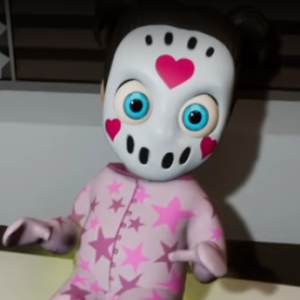



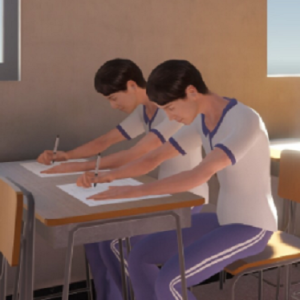

Standing before five virtual judges, the player in The Voicer Choicer must transform a few seconds of reference audio into a recorded performance of their own. The game listens to that attempt, processes its sound pattern, and turns the result into a score presented through lights, voices, character reactions, and host commentary.
The premise is structured as a game show rather than a narrative adventure. There are no quests, maps, enemies, or story chapters. Players prepare a session, choose the audio material, configure the cast, and perform until the selected number of rounds is complete. Other modes replace competitive scoring with video dubbing or audience participation.
Deciding What Kind of Show to Run
The Voicer Choicer can be configured for a brief solo exercise or a longer event involving several people. The chosen voice pack establishes the subject of the challenge, while contestant, judge, and studio packs determine how it is presented.
Before entering the studio, players decide:
- Which collection of voice samples will be used
- How many contestants will participate
- Which characters will represent those players
- Who will appear on the five-seat judge panel
- What studio, host, and presentation theme will be active
- How many performances will form the complete session
Local multiplayer supports up to four contestants. Each person receives a separate turn, so one microphone performance is processed before the show moves to the next participant. The game records individual scores and compares the totals when the final round ends.
A voice pack containing one character creates a focused impression challenge. A mixed collection produces less predictable prompts, since players may need to move between different speakers, moods, and types of delivery. Filters and tags can narrow a large library before the session starts.
The Short Interval Between Hearing and Speaking
Every standard round begins with a selected audio sample. The reference may contain dialogue, a yell, laughter, a short noise, or another vocal performance. Captions can display the words, while preview images may identify the source or speaker.
Once the reference ends, timing lights lead into the recording window. The audible cues help the player prepare, but the final cue is silent and marks the correct starting point. This creates a small timing challenge before the vocal imitation itself begins.
A complete round moves through these phases:
- A valid clip is chosen from the selected pack.
- The contestant listens without recording.
- Supporting text or artwork appears when available.
- Timing signals prepare the microphone input.
- The player reproduces the sample.
- The judge panel announces the result.
Beginning during an earlier beep shifts the performance ahead of the original timing. A delayed start can push the last word beyond the available window. Players therefore need to reproduce the approximate duration before concentrating on a detailed accent or character voice.
The scoring process uses audio samples and waveform data. Its exact formula is not presented as a group of visible statistics, so the player cannot see separate ratings for volume, pitch, or pronunciation. The final score becomes the main feedback for adjusting later attempts.
What the Panel Does With a Recording
Five judges appear in ordinary game-show sessions. Each panel member can award one standard point, producing results from zero to five. The game also recognizes an uncommon 6/5 Absolute Match, which can activate a separate visual response.
Judge packs control the identity and behavior of the panel. Individual judges may have different names, images, voices, and illuminated voting screens. Point sounds usually play in sequence, independent of which judge approves the recording. Custom voices can accompany these sounds or replace them.
Contestant packs create additional feedback. A character can have separate voice lines for being introduced, winning the show, losing, and receiving each ordinary score. These nine possible reactions allow the same contestant to respond according to the result rather than repeat one generic line.
The host connects the separate parts of the session through introductions and score commentary. Host dialogue can be changed to fit the selected characters or subject. Together, these presentation systems make the result feel like a produced show even though the central action is a short microphone recording.
Listening for Structure Inside a Voice
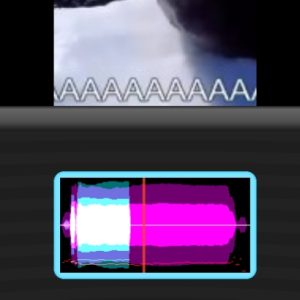
Repeating the words correctly does not guarantee that the attempt will resemble the reference. Speech contains changes that may not be obvious in a caption. A quiet beginning followed by a loud ending produces a different waveform from a sentence delivered at one constant level.
Important details include:
- The delay before the first spoken sound
- The length of each phrase
- Empty spaces between words
- Sudden increases or decreases in volume
- Changes in speaking speed
- Breaths and sounds outside the written dialogue
The player does not always need to reproduce a natural version of the character’s voice. It can be more useful to match the reference’s timing and energy before adding a detailed impression. Long clips may be difficult because several changes must be remembered after one listen.
Microphone distance also affects the captured signal. Moving closer during the middle of a line can create a volume change that was not present in the original. Background conversation, music, or echo may add additional waveform information and make the result less consistent.
Modes That Change the Purpose of a Performance
The same recording tools are used in several formats. Some modes produce judge scores, while others place new dialogue into a continuous scene.
The principal options are:
- Standard solo sessions against the five virtual judges
- Local multiplayer shows for one to four contestants
- Twitch voting controlled by viewer commands
- Dub Mode with separate recordings for individual lines
- Freestyle Dub Mode with live performance over a video
- Twitch chatter reactions activated by words or emotes
Solo play provides time to learn an unfamiliar pack and test the microphone. Local multiplayer uses turn-based competition, keeping each performance separate while preserving a shared final ranking.
Twitch panelist voting lets viewers determine the evaluation. The host can use a simple approval system or accept scores ranging from zero to five. Voting may close after a timer, a chosen number of responses, or a period with no new activity.
Chatter packs serve a different function. They connect chat keywords to audio reactions, allowing messages to produce applause, laughter, comments, or other sounds inside the show. Votes affect the score, while chatter triggers affect the broadcast’s audio presentation.
Audio Collections as Playable Content
Voice packs supply the prompts used throughout the main game modes. At the basic level, a pack only needs compatible recordings placed in one folder. The supported formats are WAV, MP3, and OGG, and every individual sample must remain below 60 seconds.
Clear volume is important when assembling a collection. Quiet recordings create smaller waveforms, which can make them difficult to hear and less reliable for scoring. Normalizing the material creates a more consistent transition between samples gathered from different sources.
Pack metadata can provide:
- Captions attached to individual recordings
- Images identifying samples or characters
- Tags for sorting the available material
- An icon and subtitle for the complete collection
- Descriptions, readme information, and author names
- Special timestamps and character data for dubbing
A filler image covers samples without individual artwork. The game can also connect an image automatically when it has the same file name as an audio clip. These features make a large pack easier to browse without changing how the recording is scored.
Tags allow players to select part of a collection. A folder containing several characters can be filtered to one role, or a mixed library can be divided into reactions, ordinary dialogue, shouts, songs, and other categories. Nested folders provide another way to organize related material.
Recording a Replacement Soundtrack
Dub packs are enhanced voice packs containing an OGV video and synchronization data. Each dialogue sample needs a timestamp describing when the new recording should play. Character tags identify the speaker and allow players to choose which roles they want to replace.
The original scene is divided into short clips, usually at natural pauses. Samples below approximately six seconds are easier to record and position. Numbering the file names helps preserve the intended order when a scene contains many lines.
During Dub Mode, the game presents the selected character’s dialogue one sample at a time. The player can record unlimited retakes before accepting a line. However, the new takes cannot be heard during the main recording process. The assembled video becomes the first opportunity to review the completed performance.
Unselected characters can retain their original dialogue. An optional backing track preserves music, environmental sound, and effects after the voices have been separated. A dub-only setting prevents scene fragments from entering the random pool used by standard game shows.
Freestyle Dub Mode removes the stop between samples. The entire video continues playing while captions and icons indicate approaching dialogue. The performer voices the scene in real time and must maintain timing across several consecutive lines.
Replacing the Cast and Environment
Contestant packs determine the character shown beside each podium. They include a name, image, introduction, and two colors used on the podium and score display. The game does not automatically resize the character artwork, so the original image dimensions influence how it appears inside the studio.
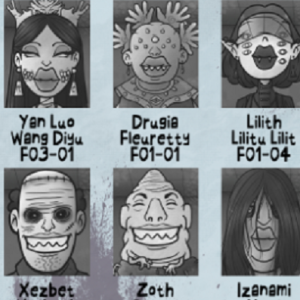
Judge packs provide five separate character images. Each positive vote can illuminate a common success graphic or an individual design assigned to that panel member. Judge voices and score sounds turn the vote reveal into a sequence rather than a single final number.
Studio packs replace the surrounding 3D environment. A reference model shows where the contestants, judges, and three screens are expected to appear. Custom music, lighting, waveform colors, and score-screen video can be added to create a consistent show theme.
An Absolute Match image may come from the studio pack or the judges. If both provide one, the judge version takes priority. A complex studio model can require more loading time, but its detail does not change the voice-matching rules.
How Twitch Chatter Triggers Work
Chatter packs assign audio files to words or emotes used by viewers. The system separates triggers into broad and exact keywords. Broad entries activate when the assigned text appears somewhere inside the first word of the message, while exact entries require a complete and case-sensitive match.
Several audio files may use the same keyword. When that trigger appears, one matching sound can be selected randomly. This supports multiple versions of a common reaction without asking the audience to remember separate commands.
Broad keywords suit general expressions that appear in several forms. Exact triggers are better for channel-specific emotes or commands that should not activate accidentally. Emoji may also be connected to sounds.
Developing Skill Without Unlockable Levels
The Voicer Choicer does not measure advancement through stages or permanent upgrades. A session ends when its rounds or dub scene are complete. The next show can use another pack, cast, or format without requiring previous content to be cleared.
Players improve by recognizing audio structure and controlling their recording setup. A useful practice sequence is:
- Test the selected microphone.
- Begin with a pack containing short, clear clips.
- Listen for pauses before attempting the character voice.
- Match the total duration of the prompt.
- Keep the microphone at a consistent distance.
- Compare several attempts instead of relying on one score.
Creating new packs provides another form of long-term activity. Additional prompts expand the possible rounds, while new judges, contestants, and studios change the presentation. Dub packs introduce scenes that require preparation across several connected recordings.
The Voicer Choicer can therefore function as a score challenge, local party competition, Twitch activity, or voiceover tool. Each format begins with the same action—listening to a reference and recording a response—but the selected packs decide what that performance becomes.
