

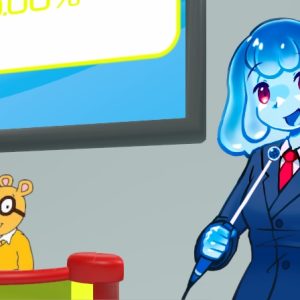
Similiar games



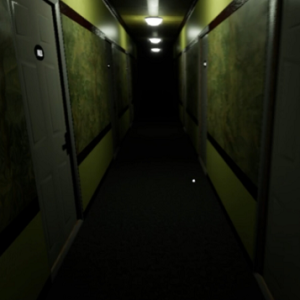
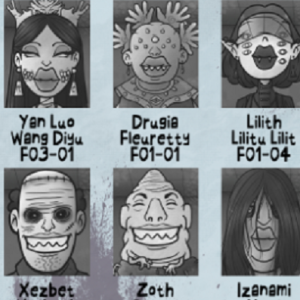
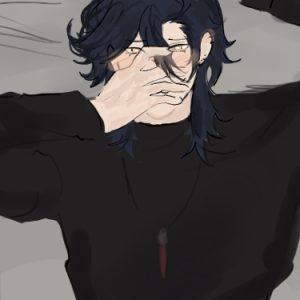




Recording a convincing imitation is the entire contest in The Voice Over Game, where players turn short audio samples into judged microphone performances. A host runs the session, contestants take turns reproducing selected voices, and five panel members convert each attempt into an immediate score.
There is no campaign storyline, explorable world, or sequence of conventional levels. The game is organized as a flexible voice show that can be rebuilt for every session. Players choose the audio library, cast, judge panel, studio, and format before the first prompt appears. This structure supports short solo practice, group competitions, Twitch participation, and complete video dubbing.
A Show Created From Separate Parts
The Voice Over Game does not rely on one fixed set of characters and prompts. Its content is divided into packs that can be selected independently. A serious collection of dialogue can be used with a neutral studio, or the same clips can appear alongside custom contestants and judges built around a specific theme.
Voice packs provide the actual performance material. Each one contains audio samples that the game selects during regular rounds. These recordings may include sentences, reactions, unusual noises, character dialogue, short speeches, or other sounds that can be reproduced through a microphone.
Before a session begins, the player can prepare:
- A voice pack containing the reference samples
- Contestant characters for each participant
- Five judges with individual reactions
- A host who announces results and transitions
- A studio with selected music and visual elements
- The number of rounds used to determine the winner
This setup makes two sessions feel different even when they share the same basic rules. Changing only the voice pack replaces the challenge, while changing the cast and environment alters the presentation surrounding it.
Listening Is the First Gameplay Skill
The written words are only one part of a prompt. A player also needs to notice the speaker’s timing, volume, speed, and pauses. A clear reading of the correct sentence may still differ substantially from the source if it begins late or uses a different rhythm.
The original recording plays before the contestant’s turn. A caption can appear beneath it, and an image may identify the associated character or scene. These additions help with context, but the reference audio remains the primary guide.
Once the sample finishes, timing lights prepare the microphone recording. Several audible signals create the countdown, while a final silent cue indicates the proper starting moment. The contestant performs during the available window and stops when the line is complete.
A normal round progresses through these stages:
- The game selects a compatible sample.
- The player listens to the complete recording.
- Any attached caption and image are displayed.
- Timing lights lead into the microphone window.
- The contestant repeats the prompt.
- Five judges reveal the final evaluation.
The game uses audio sampling and waveform information to process an attempt. It does not show the complete calculation formula, so there is no visible list of points for pronunciation, pitch, or acting. Players improve by comparing results across repeated performances and changing the parts that appear most different.
Reading the Score Panel
Every member of the five-person judge panel can award one standard point. The ordinary score therefore ranges from zero to five. A rare result called an Absolute Match appears as 6/5 and can trigger its own image, sound, and host comment.
Judge packs determine the presentation of the vote. Each panel member can have a separate name, character image, voice, and illuminated success display. Point sounds normally play in sequence as judges approve the performance, although they can be disabled when the pack uses only spoken reactions.
Contestants also respond to the result. Their packs support nine separate audio events: introduction, victory, defeat, and one reaction for each ordinary score from zero through five. This allows a character to answer a failed performance differently from an average attempt or a full set of positive votes.
The score does not become permanent experience. It exists within the current show, where it contributes to the final total. When several participants are present, the player with the strongest combined result wins after the selected number of rounds.
What Makes an Attempt More Accurate
A voice does not need to sound naturally similar to the original character in every respect. Timing and waveform structure also matter, so a controlled imitation can perform better than an exaggerated reading that ignores the shape of the source clip.
Players should examine:
- Where the original voice begins and ends
- How long each pause lasts
- Which words receive more volume
- Whether the delivery speeds up or slows down
- How strongly the speaker finishes the line
- Whether breaths or nonverbal sounds are included
Microphone placement affects the captured waveform. Speaking too quietly, standing far from the input, or allowing background conversation into the recording can interfere with the result. Consistent distance and stable volume make separate attempts easier to compare.
The quality of the reference sample matters as well. Quiet clips generate small waveforms and may be difficult for both the player and the scoring process. Voice packs work more consistently when their recordings have normalized volume and clear start and end points.
Different Formats Built Around Recording
The Voice Over Game applies the same microphone mechanic to several types of sessions. Some focus on competition, while others use the new recordings to build a larger piece of audio.
The available formats include:
- Standard solo shows with computer-controlled judges
- Local multiplayer for up to four contestants
- Twitch sessions using audience votes
- Dub Mode with separate takes for individual lines
- Freestyle Dub Mode performed over a continuous video
- Chatter-enabled shows with viewer-triggered audio
Local matches remain turn-based. Every contestant listens and records separately, allowing the game to assign individual scores. Participants can share the same studio without speaking over one another, and the ranking appears after all scheduled rounds are finished.
Twitch panelist voting changes who determines the result. Viewers may submit a positive or negative response or select a value from zero to five. Voting can close according to a timer, response target, or period of inactivity.
Solo play is useful for learning how a new pack behaves. It gives the player time to test difficult samples, adjust microphone distance, and understand the timing lights before organizing a longer competition.
Expanding the Voice Library
A basic voice pack can function with only compatible audio files stored in one folder. WAV, MP3, and OGG formats are supported, and every sample must be shorter than 60 seconds. Additional metadata makes the collection easier to navigate.
The pack editor can add:
- Captions for unclear or unfamiliar dialogue
- Individual pictures connected to specific samples
- Tags for sorting clips by speaker or category
- An icon and subtitle for the complete pack
- Author names, descriptions, and readme information
- Special data used by compatible dub content
Images can be assigned manually or connected automatically by sharing a file name with the audio sample. A filler image provides a common visual for every clip without its own picture. Tags allow players to filter a collection before the game generates a set of prompts.
This organization is especially useful for packs containing several characters. A player can select one role, exclude particular categories, or concentrate on a certain type of recording. Search tools also make it possible to locate collections by their credited author.
The game can work with small focused libraries or larger collections divided through nested folders. A narrow pack produces a consistent theme, while a broad collection creates more unpredictable rounds.
Dubbing One Line at a Time
Dub Mode uses an expanded form of voice pack containing a video and timing metadata. The video must be in OGV format, and each replaceable sample needs at least one timestamp describing when the player’s recording should begin during playback.
The scene is separated into manageable dialogue clips. Short samples divided at natural pauses are easier to record and synchronize. Numbered file names can preserve their intended order, while captions show the words associated with each take.
Character tags identify different speakers. Before beginning, players decide which roles they want to perform. Dialogue belonging to selected characters is recorded again, while unselected voices can remain unchanged in the completed scene.
Each line supports unlimited retakes. However, recorded performances cannot be heard during the main process, so the final playback becomes the first complete review. The game uses the saved timestamps to place every take over the video.
An optional backing track preserves music, ambience, and sound effects after the original vocals have been separated. Clips intended only for the connected scene can be marked as dub only, preventing them from appearing as random prompts in ordinary scored shows.
Freestyle Dub Mode replaces individual recording screens with continuous performance. The video plays from beginning to end while captions and character icons indicate approaching dialogue. Visual assistance can be disabled when players prefer to rely on preparation or memory.
Characters, Judges, and Studio Design
Contestant packs decide how participants appear at their podiums. The configuration includes a displayed name, character image, two identifying colors, and introduction text delivered by the host. Separate voice reactions make the contestant respond to the events of the show.
Judge packs replace the full five-member panel. A common success graphic may illuminate every podium, or each judge can receive an individual voting screen. Their voices can accompany the standard score blips, producing a sequence of personalized reactions as points are announced.
Studio packs modify the location where standard and Twitch-voted shows occur. A custom 3D model can replace the room, and a generated reference file shows the expected position of contestants, judges, and screens. More complex models may require additional loading time before the show begins.
A studio may also contain custom music, lighting, waveform colors, and a muted looping video behind the score. The special Absolute Match image can come from either the studio or judge pack, with the judge version receiving priority when both are present.
Audience Reactions Through Chatter Packs
Twitch chatter packs connect chat messages to audio files. A viewer can type a chosen word or emote and cause applause, laughter, comments, or another prepared sound to play inside the show.
Broad and exact keywords behave differently. Broad triggers activate when their assigned text appears within the viewer’s first word, allowing several variations of the same expression. Exact triggers require a complete and case-sensitive match, making them appropriate for specific emote names or commands.
Several recordings may share the same keyword. When a matching message appears, one of those sounds can be chosen randomly. This produces varied reactions without asking viewers to learn many separate commands.
Chatter audio does not replace Twitch voting. The first system controls background reactions, while the second determines the score assigned to a contestant. A broadcast can use both to give the audience two distinct ways to participate.
Improving Across Repeated Sessions
The Voice Over Game has no permanent upgrade tree or fixed campaign progression. Improvement comes from more accurate performances, better organized packs, and a growing selection of themed presentation elements.
A reliable starting routine is:
- Confirm the correct microphone before loading a show.
- Record a short test to check waveform size.
- Use clearly audible and normalized reference clips.
- Wait for the silent cue before beginning a line.
- Match duration and rhythm before focusing on accent.
- Practice long prompts before using them in multiplayer.
New players can begin with short clips that contain clear speech and limited background noise. More difficult packs may introduce rapid dialogue, changing volume, unusual characters, or several nonverbal sounds inside one sample.
The Voice Over Game uses a focused activity but provides several contexts for it. A recording can become a score in a solo challenge, a deciding round in local multiplayer, a Twitch-voted performance, or one part of a complete dubbed scene. Custom packs determine who appears, what is spoken, how the studio looks, and how every result is presented.
