

Similiar games
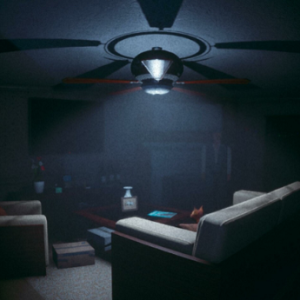

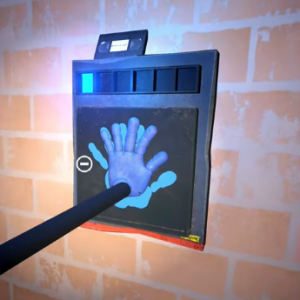
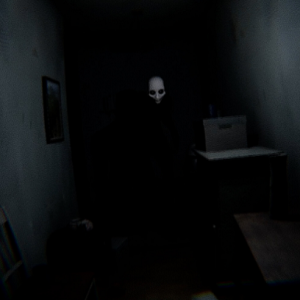
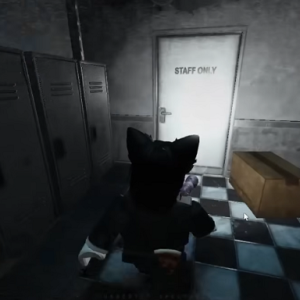




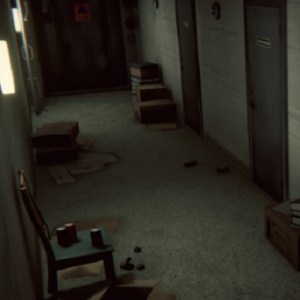
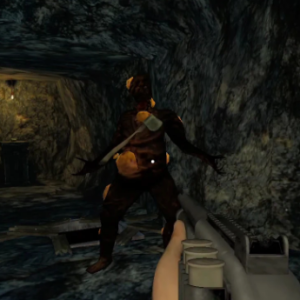
In The Cat in the Hat Analog Horror, an impulsive purchase creates the central problem. The protagonist is spending the night without anyone else in the house when a television advertisement offers an unusual product. After placing the order and receiving the delivery, the character discovers that the package is connected to a hostile version of the Cat. The remaining story follows the attempt to survive its arrival and find a way out.
Ordinary Tasks Become Warning Signs
The opening minutes are built around household exploration. Players follow instructions shown on the screen, approach interactive objects, and move between rooms as new events become available. The television provides information needed to begin the story, while the delivered package moves it into the horror section. Changes in sound, light, and object placement indicate that the house is no longer safe.
Exploration Followed by Pursuit
The player views the environment from a first-person perspective. Early tasks allow time to examine rooms, but later objectives require faster decisions. The Cat appears during scripted moments and eventually begins chasing the protagonist. There is no standard weapon-based combat system, so direct confrontation is not the intended solution. Players must continue following prompts while keeping enough distance from the creature.
The main sequence requires the player to:
- explore the available rooms;
- watch the television advertisement;
- receive and inspect the delivery;
- investigate sounds and environmental changes;
- activate objects connected to current objectives;
- run through the maze without being caught.
The game does not have a level-selection menu or a series of unrelated maps. Its content is arranged as one connected horror story with several phases. The house is used for the introductory tasks and the first encounters, while a maze forms the main escape challenge near the end. Reaching the correct route and completing the last objectives leads to the good ending. Failure during a dangerous sequence restarts the relevant part rather than the entire story.
Reading the Environment
Use the directional keys to walk and the mouse to control the camera. Important objects display an interaction prompt at close range. Shift activates sprinting during the maze, and V can free the mouse cursor for interface actions. Players should avoid moving too far ahead before an objective updates because later doors or objects may remain inactive. During quiet sections, checking each accessible room helps establish the layout before a pursuit begins. Once the Cat starts chasing, continuous forward movement is more important than searching for optional details. Audio signals can reveal when the creature is approaching, while open doors and visible corridors indicate the safest escape direction. Learning the maze’s main intersections reduces the chance of entering a dead end during another attempt.
