

Similiar games









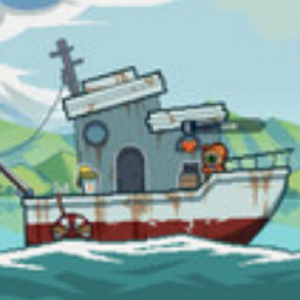



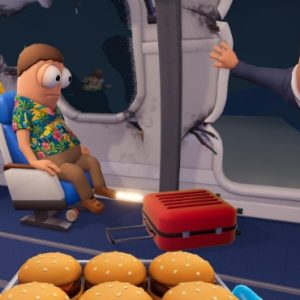
Dear Passengers focuses on everything that can go wrong between takeoff and landing. The player becomes part of an airline crew responsible for carrying passengers and cargo while keeping the aircraft operational. There is no traditional campaign with a fixed protagonist or a continuous storyline. Instead, each flight creates its own situation. The crew chooses what to take aboard, starts the trip, and then has to react as ordinary duties turn into overlapping problems.
The Cabin Is Part of the Gameplay
Flying the aircraft is only one responsibility. Passengers need attention, cargo must remain secure, and objects inside the cabin can become dangerous when turbulence starts. Players move between different parts of the plane and decide which issue deserves attention first. In multiplayer, these duties can be divided between several people, while solo play requires one person to manage a much wider range of tasks.
One Problem Can Create Another
The game is built around connected systems rather than isolated objectives. Turbulence can throw unsecured items across the cabin, damaged equipment can interrupt normal work, and difficult weather can force the pilot to concentrate on controlling the aircraft while the rest of the crew handles problems elsewhere.
During a flight, players may have to:
- control the aircraft during difficult conditions
- check passengers and respond to their needs
- move or secure cargo
- collect loose objects
- handle technical problems
- organize tasks between crew members
- keep the situation stable until landing
Dear Passengers does not have conventional numbered levels. Individual flights act as separate runs with a beginning, a period of increasing pressure, and a final attempt to reach the destination. The challenge changes according to the passengers, cargo, and events involved, so two trips can require different priorities even when the basic goal remains the same.
Reaching the Destination Is the Real Objective
Success depends on keeping several systems under control at once rather than completing one task after another. A crew that spends too much time fixing a minor cabin issue may ignore something more serious, while poor coordination can leave important duties unfinished. Players need to decide who remains in the cockpit, who manages the cabin, and when everyone should change priorities. The main gameplay loop is therefore based on preparation, task management, cooperation, and reacting quickly enough to prevent small problems from turning into a failed flight.
