

Similiar games




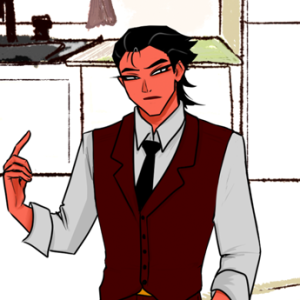
To Eat a God is a visual novel focused on psychological horror, branching dialogue, and relationship-driven storytelling inside a surreal world controlled by godlike beings. The player controls a puppet character who enters a strange dimension known as the Garden or the Void, where several powerful entities observe and manipulate reality. The story revolves around survival, deception, and maintaining the illusion that the protagonist belongs in this world. Every conversation and decision changes how the characters react and how the story develops.
Entering the World of the Gods
The gameplay is built around dialogue choices, character interaction, and route progression. Instead of combat or exploration systems, players move through scenes by selecting responses during conversations. Different choices affect trust, obsession, hostility, and future story events. Several godlike characters appear throughout the story, including Unum, Septem, and Nulla, each with separate story paths and endings.
The game is divided into routes and chapters rather than traditional gameplay levels. Each route focuses on a different central character and reveals new information about the world and the protagonist. Early chapters introduce the setting and explain the puppet’s role inside the system controlling the Garden. Later sections become more dangerous as the gods begin questioning the player’s identity and intentions. Some routes contain peaceful interactions, while others lead to violent confrontations and psychological manipulation.
Choices and Multiple Endings
One of the main mechanics in To Eat a God is branching progression. Nearly every important choice changes future scenes and may unlock hidden dialogue or alternative endings. Certain routes can only be accessed after discovering specific conversations or completing earlier story paths. Because of this structure, replaying the game reveals additional lore and character details.
Main gameplay activities include:
- selecting dialogue choices during conversations
- exploring multiple character routes
- unlocking different endings
- discovering hidden lore and secrets
- maintaining relationships with the gods
- progressing through branching story chapters
Psychological Horror and Story Progression
The game is played from a visual novel perspective using text, illustrations, and animated scene transitions. Players advance through dialogue menus while observing changes in character behavior and story direction. Different routes contain unique scenes, emotional conflicts, and endings depending on player decisions. Some choices may immediately end the story, while others slowly change future chapters over time.
