

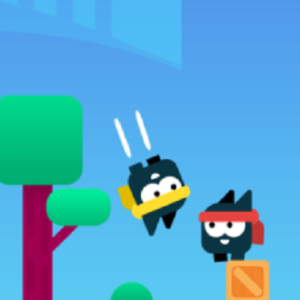
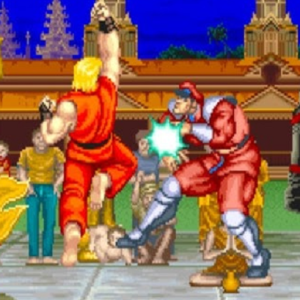
Similiar games







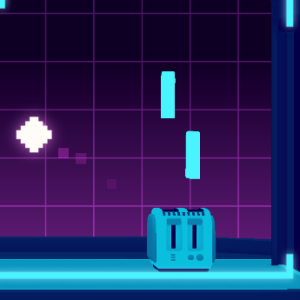
Toasterball begins with a simple sports objective, but the way the players move makes each match different from a regular ball game. Instead of controlling people or animals, the player controls toaster athletes that jump, flip, and launch toast to hit the ball. The game does not have a story campaign, character plot, or mission-based progression. Its main format is a local multiplayer match where players score goals and react to changing rules.
The Arena Setup
Each match takes place in an arena with two goals. The player needs to move the toaster into useful positions and use its actions to send the ball toward the opponent’s side. The controls are easy to understand, but the physics make movement less predictable. A toaster can miss the ball, push it at the wrong angle, or accidentally create a chance for the other team.
What Happens During a Match
A typical Toasterball match can include these actions:
- Choose a match setup or game mode.
- Control a toaster on the field.
- Jump, flip, and launch toast near the ball.
- Defend your own goal when the ball comes back.
- Try to score by sending the ball into the opposite goal.
- Adapt when the rules change after a point.
- Continue until one team reaches the required score.
Toasterball does not use standard levels with a fixed order. Instead, the game offers arenas, playable toaster characters, AI opponents, and different rule variants. These elements replace traditional progression. The player does not move from one story chapter to another. The variety comes from match conditions, arena layout, and the way the ball reacts to each toaster action.
Why Timing Matters
The main challenge is not only reaching the ball, but hitting it at the right moment. Jumping too late can leave the goal open, while launching toast too early can send the ball in a weak direction. Players need to understand how the toaster moves and how the ball reacts after contact. This makes positioning important in both attack and defense.
Playing More Effectively
A good approach is to avoid chasing the ball without a plan. The player should watch the ball’s angle, stay ready near the goal, and move forward when there is a clear chance to attack. Since the rules can change during the match, the same strategy will not always work. Toasterball is simple in concept, but each round depends on timing, physics, reactions, and the ability to adjust after every point.
