

Similiar games












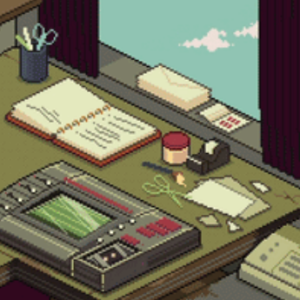
Off-Beat begins with an empty studio, a tiger-shaped keyboard, and a basic four-track sequencer. The player works as a composer in 198X, taking commissions from clients who need original music for different purposes. Every completed project provides income and moves the career from small local assignments toward larger soundtrack work.
Reading and Answering Client Briefs
Each job starts with a description of the required composition. Early clients request tracks for wedding celebrations, workout tapes, and corporate materials. Later commissions cover museum events, fantasy productions, and other subjects. These assignments form the game’s narrative: there is no separate adventure plot, but the studio’s reputation and available opportunities develop across the campaign.
Recording with Unusual Equipment
The production system lets the player build real musical arrangements rather than choose from completed songs. Sounds are recorded from synthesizers, toys, kitchen objects, paper shredders, singing garden gnomes, and other equipment. Individual patterns can be placed on the Sequence-O-Matic, combined across multiple tracks, and organized into a finished piece that answers the current brief.
- Select an available commission from the job list.
- Read the requested theme and musical purpose.
- Connect suitable sound-producing objects to the sequencer.
- Record separate melodies, rhythms, and effects.
- Arrange the recorded parts into a complete structure.
- Deliver the track and collect the payment.
- Purchase upgrades or additional studio equipment.
Campaign Structure and Music Export
Off-Beat replaces traditional levels with chapters and composing assignments. Its current version contains two chapters, twenty-two jobs, and seven main musical objects. Progress unlocks further commissions and expands the range of sounds available in the studio. Equipment can be upgraded or modified, allowing later tracks to use production methods that are unavailable at the beginning.
Players are free to approach each commission differently because the game does not demand one fixed melody. A simple arrangement may satisfy an early job, while later work can involve more layers and varied sound sources. The studio also functions as a sandbox for compositions created outside the campaign. Finished tracks are stored as real audio and can be exported in WAV format. This means progress produces both in-game rewards and reusable recordings. By completing briefs and testing equipment combinations, players learn the basic relationships between rhythm, melody, sequencing, synthesis, arrangement, and studio investment.
