

Similiar games


















Survival in Machine Party depends on how quickly each participant can understand a new challenge. The game brings together 15 separate minigames in which two to four test subjects compete under changing conditions. Every activity has its own rules, objective, and risks, forcing players to adjust their decisions instead of repeating the same actions throughout the session.
Premise and Match Format
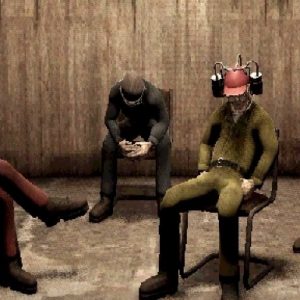
Machine Party uses a simple background rather than a complete narrative campaign. The participants are test subjects placed inside a collection of dangerous, illegal competitions operated with industrial equipment. There are no story chapters, dialogue sequences, or missions outside the main activities. Information about the setting comes from the rooms, machines, visual effects, and punishments that follow unsuccessful attempts. Players can also modify their test subject’s appearance with clothing and accessories.
What Players Do
The 15 minigames function as independent stages, and each one tests a different combination of skills. Some challenges demand quick reactions or accurate timing, while others concentrate on planning, memory, observation, or psychological pressure. Participants can play through the full selection in sequence or choose particular games for a shorter customized match. This makes it possible to change the length and structure of each session.
The core features of the game are:
- Fifteen activities with different objectives and mechanics
- Group sessions for two to four players
- Full sequences and custom minigame selections
- Challenges involving speed, logic, and risk assessment
- Mechanics for obstructing or misleading opponents
- Character customization through cosmetic items
Each round begins by introducing the current task and its controls. Players must then complete the objective while monitoring the environment and the other test subjects. Cooperation can help several participants survive a shared threat, but alliances are temporary and may end without warning. A player can deliberately create problems for someone else, take advantage of another person’s mistake, or wait until opponents eliminate each other before acting.
Decisions and Replayability
Progress is based on performance across the chosen minigames rather than experience points, equipment upgrades, or permanent character abilities. Since every stage follows different rules, success requires flexibility. Players need to determine whether speed, caution, cooperation, or sabotage is the most useful response to the current situation. Even after the mechanics become familiar, the behavior of the group keeps matches unpredictable. Different selections of activities, changing alliances, failed agreements, and unexpected reactions can produce new results in repeated sessions. The main challenge is not simply learning what each machine does, but understanding how other participants are likely to behave when only some of them can survive.
