

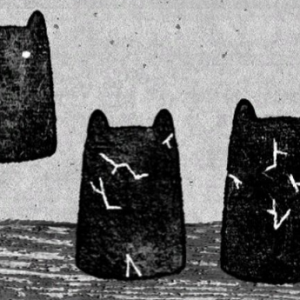
Similiar games






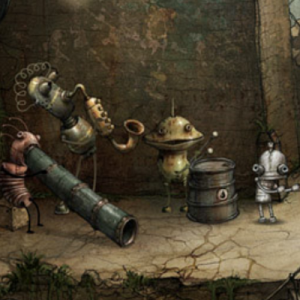



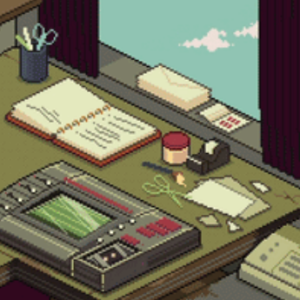


Her Trees is a point-and-click puzzle game where the player solves a strange room by moving and combining objects. The game does not use character movement, combat, or a large map. Instead, the player studies one puzzle space, changes the position of objects, searches for hidden codes, and uses visual clues to understand how the room works.
Main Idea
Her Trees has a minimal story structure. The player is placed inside a peculiar room and must uncover its mystery through interaction. There are no long conversations, quest markers, or cutscenes explaining each step. The room itself works as the main source of information, and every object can become part of the solution if it is observed carefully. The official page presents it as the first work in the Her Trees series.
Puzzle Structure
Her Trees does not have standard levels with separate stages. Progress is built from connected puzzle steps inside the same room. The player may need to move objects, combine them, compare shapes, read symbols, or find a code that opens the next part of the puzzle. Thinky Games describes it as a game about searching for hidden codes among strange objects in a point-and-click world.
The game includes several main elements:
- point-and-click interaction;
- object movement and combination;
- hidden codes and symbols;
- room-based puzzle progression;
- visual logic instead of action mechanics;
- browser play and Windows support.
Gameplay and Controls
Gameplay is based on observation, testing, and connecting details. The player clicks and drags objects, checks how they react, and looks for changes on the screen. There is no traditional inventory full of collected items. The solution usually comes from using what is already visible in the room and understanding how objects relate to each other.
To play, the player uses a mouse or touch input, depending on the platform. The main actions are clicking, dragging, moving items, and checking the result after each change. Progress depends on noticing small visual details, trying different arrangements, and using clues from the room to solve each step without relying only on random trial and error.
