

Similiar games















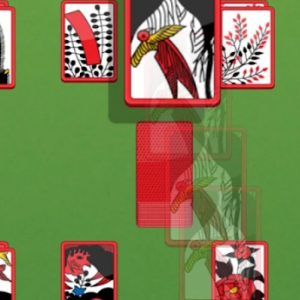
Go Stop is a Korean card game played with a deck of hwatu cards, where players compete to collect scoring combinations over multiple turns. The game begins with each participant receiving a hand of cards while several cards are placed face-up on the table. Players match cards from their hand to those on the table, collecting sets and earning points based on the value of the cards they gather. Because each turn reveals new possibilities, Go Stop relies on a mix of card knowledge, timing, and situational decisions.
Turn Structure And Matching Rules
Each turn in Go Stop follows a simple sequence. The player selects one card from their hand and attempts to match it with an open card on the table. If a match exists, both cards are added to the player’s capture pile. If no match is available, the played card remains on the table. The player then draws a card from the deck and repeats the matching process. This structure continues around the table, giving players ongoing opportunities to influence the flow of the round. Captured cards contribute toward point totals, while unmatched cards shift table dynamics.
Main Gameplay Elements
Several key components define how Go Stop progresses:
- Matching cards based on identical months
- Capturing sets that increase point values
- Accumulating bright, ribbon, or animal cards
- Choosing whether to declare “Go” or “Stop”
- Adjusting strategy based on opponents’ captures
These elements work together to shape each round, requiring players to consider both their own goals and the emerging table state.
Scoring Decisions And Player Strategy
A central choice in Go Stop appears when a player reaches the minimum point threshold. At that moment, they may declare “Stop” and end the round with their current score, or choose “Go” to continue playing in hopes of increasing their points. Declaring “Go” carries risk because opponents may catch up or surpass the player before the round ends. Successful strategy involves counting visible cards, predicting opponents’ intentions, and determining whether continuing the round will offer more benefits than risks.
Replayability And Social Interaction
Go Stop supports long-term play because each round develops differently depending on card distribution and decisions made by the players. The fast pace of turns encourages conversation and active engagement, making it popular in group settings. Different players may favor aggressive “Go” decisions or cautious “Stop” strategies, which adds variety to repeated sessions. The mixture of chance, skill, and decision-making ensures that Go Stop remains engaging across many games, offering new outcomes as players adjust their tactics and read the evolving table.
