


Similiar games



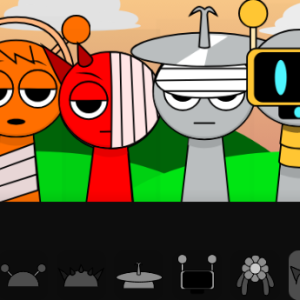


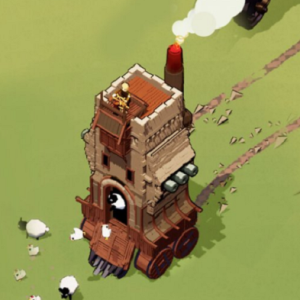
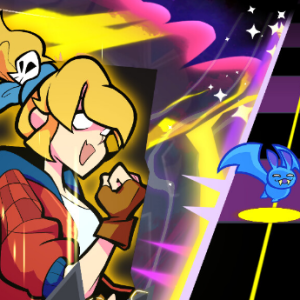








Demon Bluff is a single-player card puzzle game built around deduction, hidden roles, and false information. The game does not follow a traditional story campaign with chapters or exploration levels. Instead, each round presents a group of character cards, and some of them are secretly evil. The player must reveal information, compare statements, identify who is lying, and execute all evil characters before making too many mistakes. The itch.io page describes it as a roguelike card game where the player’s deck is full of lies.
A Social Deduction Game for One Player
Demon Bluff takes ideas from social deduction games, but it turns them into a solo puzzle. There are no real players arguing or voting. Instead, the characters on the cards give information when revealed or clicked. Good characters usually provide useful clues, while evil or corrupted characters bluff by pretending to be good roles and giving false information. The player has to treat every statement carefully and use contradictions to find the truth.
Lies Become Part of the Puzzle
Gameplay is based on reading character roles and checking whether their information can be trusted. A false statement is not useless, because it can still point toward the truth if the player works backward. The game gives the player 10 health, and each mistake deals 5 damage, so only one mistake can usually be survived in a round. This makes each execution important.
Players usually need to:
- reveal character cards
- read each role’s information
- compare statements between characters
- look for contradictions
- identify evil or corrupted cards
- use the dagger icon to execute suspects
- avoid mistakes that cost health
Rounds, Roles, and Replay Value
Demon Bluff does not use standard levels like an action game. Its structure is based on rounds and card setups. Each round can create a different logic problem because the cards, roles, and lies may change. Some roles can confirm good characters, some reveal distance from evil characters, and others behave differently when corrupted. The game is also described as a puzzle, strategy, card game with roguelike elements, which means replaying is part of the experience.
Reading the Table Correctly
To play Demon Bluff well, do not execute a card only because one statement looks suspicious. First, reveal enough information to compare several claims. If two characters claim the same role, at least one of them may be lying unless another role explains the situation. If a character gives information that cannot be true, think about what the opposite result would mean. The best approach is to build a chain of evidence, mark likely suspects, and execute only when the clues leave little room for another explanation.
