

Similiar games
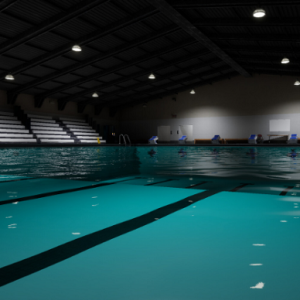
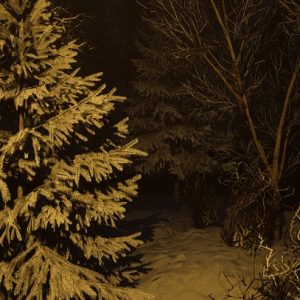
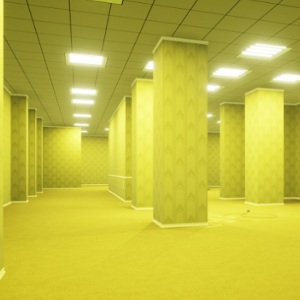
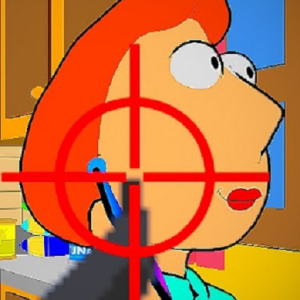
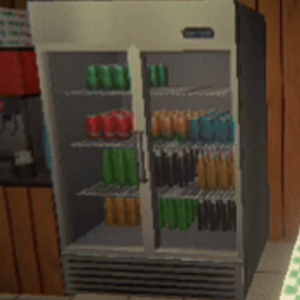
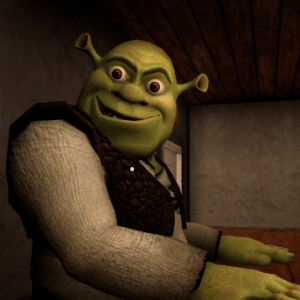



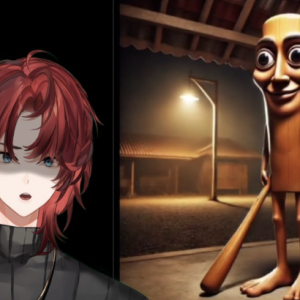

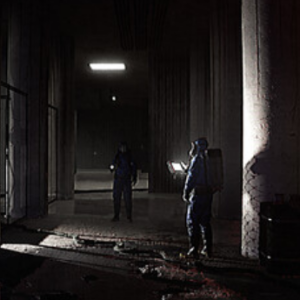
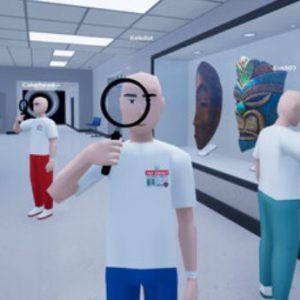
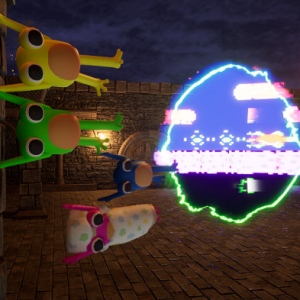
Captured 3 is built around a controlled loop where the same environment repeats with incremental changes. The player is not guided through a traditional narrative path but instead works through a sequence of observation tasks. Each cycle presents a familiar layout with slight differences, and the goal is to determine whether those differences qualify as anomalies. The structure removes unnecessary systems and focuses on a single requirement: consistent attention to detail.
Detection Process And Player Workflow
Interaction in Captured 3 follows a simple routine. The player enters a loop, inspects the environment, and makes a decision based on what has changed. There is no margin for careless input, as incorrect selections reset progress. This creates a workflow where memory becomes the main tool. Over time, the player develops a reference model of the space and uses it to compare each new iteration.
- Altered object placement or missing items
- Irregular light behavior or unexpected shadows
- Shifts in proportions or room geometry
- Visual noise or brief distortions
- Elements appearing without prior context
These anomaly types remain consistent, but their presentation becomes less direct as the session continues. Recognition depends on familiarity rather than hints or indicators.
Environmental Constraints And Presentation
The game limits its environment to a compact area, which allows small changes to have a measurable impact. This constraint is intentional, as it forces the player to engage more deeply with the same space. The visual approach avoids heavy interface usage and instead relies on spatial awareness. Lighting conditions are uneven and can conceal or emphasize specific details, requiring controlled scanning rather than quick movement.
Escalation And Risk Balance
Difficulty progression in Captured 3 is achieved through subtlety and pacing. Early loops provide clear differences, while later ones require slower and more precise inspection. At the same time, the system introduces pressure elements that discourage hesitation. The player must keep moving and evaluating the space, balancing the need for accuracy with the need to avoid risk.
Captured 3 maintains a narrow mechanical scope and builds complexity through repetition. The experience depends on pattern recognition, memory, and the ability to detect small inconsistencies under time pressure.
