

Similiar games







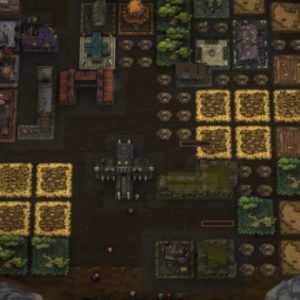






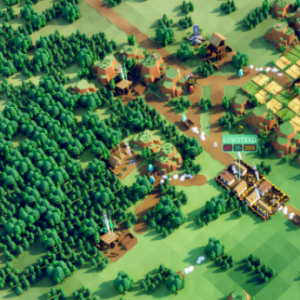
Building one large city is not enough in A Little Age because progress depends on several settlements working together. The player leads settlers into an unexplored region and begins by establishing a hamlet with basic housing and production. As its population increases, more territory becomes visible, allowing additional towns to be founded near forests, mountains, water, and other useful natural features.
A Civilization Built on Cooperation
The game has a simple background rather than a character-focused storyline. Settlers have arrived from the south to create a permanent home among ancient forests and the remains of an earlier civilization. Their shared objective is to rebuild a great temple on sacred ruins. Completing this project requires contributions from multiple communities, turning the monument into the final result of economic cooperation.
Local Production and Delivery Routes
Each settlement operates with an independent stockpile, workforce, and source of income. Resources collected in one town are not automatically available elsewhere. Players must hire delivery workers and create routes that transfer materials to places where they are required. This system allows one settlement to specialize in mining while another concentrates on farming, processing, or supporting newly founded communities.
Players regularly need to manage:
- Building placement based on nearby terrain
- Jobs assigned to local residents
- Production, storage, and gold reserves
- Deliveries between dependent settlements
- Research and civilization-wide projects
Procedural Maps and Development Stages
There are no fixed campaign levels or combat stages in A Little Age. A newly generated world is created for every game, changing the positions of biomes, resources, and settlement opportunities. Progress comes through exploration, population milestones, technological upgrades, and the gradual transformation of hamlets into towns and cities. These changing maps require a different economic network during each playthrough.
Successful expansion begins with choosing locations for a clear economic purpose. Farms should be placed near water, mines near mountains, and forest-related workers close to wooded areas. Before founding another town, the existing settlement should produce enough surplus to support it. Delivery routes can then supply missing food or construction materials until the new economy becomes functional. Players should monitor local inventories because one town may be full while another remains unable to build. Research improves production and unlocks further options, but the main challenge remains logistical: organize specialized settlements, prevent shortages, and direct their combined resources toward the temple.
