

Similiar games
















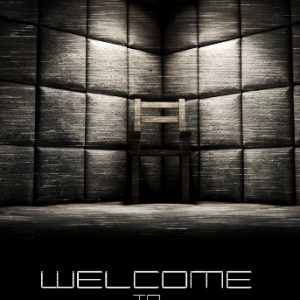
Welcome To The Game 4 continues the series’ focus on digital investigation and survival within a hostile online environment. The player once again operates through a computer interface, where every action carries consequences. Unlike traditional horror games, the experience is built around information handling, time management, and decision-making under pressure. The story places the player in a situation where access to certain networks is required to progress, but each step forward increases exposure to unknown risks. The game avoids direct guidance, encouraging players to learn systems through observation and repetition.
Structure And Player Objectives
The structure of Welcome To The Game 4 is based on layered progression. Players are required to complete tasks that unlock further access to restricted areas of the network. These tasks are not presented as simple missions but as objectives that must be discovered and interpreted. Progress depends on understanding how systems interact rather than following explicit instructions. The pace is intentionally controlled, forcing players to balance efficiency with caution while managing limited resources.
Gameplay Systems And Interaction
Gameplay revolves around navigating a simulated digital space filled with tools, messages, and hidden pathways. Players must observe patterns, respond to changes, and make decisions that affect future access. The game introduces new mechanics gradually, ensuring that complexity increases over time without overwhelming the player. Success depends on attention to detail and the ability to react appropriately to unexpected situations.
Key gameplay elements include:
- Navigating secured networks and hidden services
- Monitoring system activity and digital threats
- Managing access tools and in-game currency
- Responding to timed events and interruptions
- Making choices that affect long-term progression
Tension And Design Approach
Welcome To The Game 4 builds tension through uncertainty rather than direct confrontation. Visuals remain minimal, keeping the player focused on the interface and audio cues. Sudden system changes or alerts create pressure without relying on traditional horror elements. The design encourages constant awareness, as small mistakes can lead to major setbacks. This approach keeps the player engaged through anticipation rather than spectacle.
The narrative unfolds indirectly, with fragments of information revealing the larger situation over time. Instead of clear exposition, the game relies on environmental storytelling and player interpretation. This structure allows each player to experience the story differently depending on their decisions and level of attention.
