

Similiar games
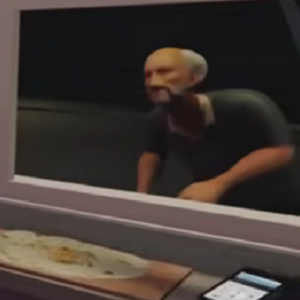
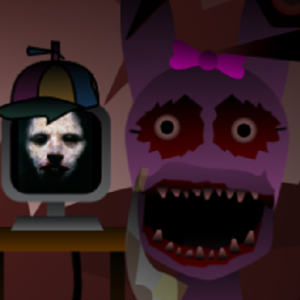
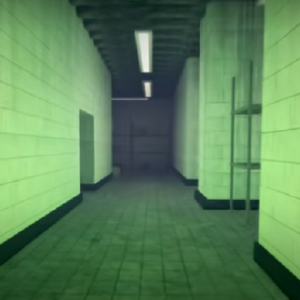








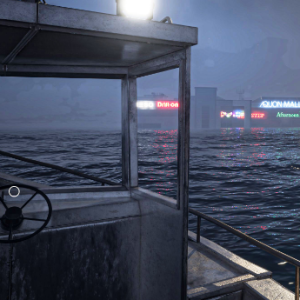
UMIGARI is a first-person fishing game that combines exploration mechanics with light horror elements. The player controls a character navigating fog-covered waters near the coast of Japan, using a harpoon to catch fish and earn resources. The gameplay is structured around repeated trips to sea, where each session allows the player to gather materials, return to safe zones, and upgrade equipment. As progression continues, the environment becomes less predictable and introduces unusual elements.
Core Gameplay And Systems
The main gameplay loop is based on hunting fish, selling the catch, and reinvesting earnings into upgrades. Players must manage fuel, equipment, and travel distance while exploring different ocean zones. Harpoon use requires timing and accuracy, making each catch dependent on player input.
The game gradually introduces new mechanics through upgrades. Improved gear allows access to deeper waters, where higher-value targets can be found. At the same time, risk increases as the player moves farther from safe areas.
Exploration And Progression
The ocean acts as a semi-open environment divided into zones with different conditions and rewards. Exploration is not fully unrestricted, as progression depends on equipment and fuel capacity.
- Harpoon fishing with timing-based mechanics
- Selling resources to fund upgrades
- Fuel management limiting exploration range
- Unlockable areas with higher-value targets
- Increasing risk in deeper zones
Narrative And World Design
The narrative is presented indirectly through encounters and environmental details. As players travel farther, they encounter unusual creatures and events that differ from standard fishing gameplay.
The game introduces a concept where the world is altered, affecting both creatures and characters. These elements are not explained directly, requiring the player to interpret events through exploration. The structure supports multiple interpretations of the story.
Visual Style And Atmosphere
The visual design uses low visibility, fog, and muted colors to create a consistent environment. The ocean is presented as both open and restrictive, with limited visual range affecting navigation and awareness.
Audio cues such as water movement and environmental sounds support gameplay by indicating nearby activity. The absence of constant background music emphasizes isolation during exploration.
Replayability And Structure
Replayability is based on upgrading equipment and exploring different routes. Players can repeat trips to optimize resource collection and reach new areas.
The progression system encourages gradual improvement rather than fast completion. Each session builds on previous progress, allowing access to deeper zones and new encounters without changing the core mechanics.
