


Similiar games













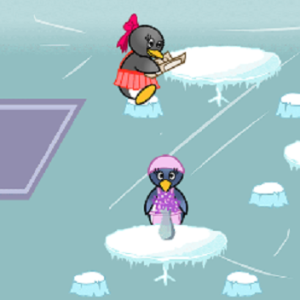
Toy Story Flash Games refer to a collection of browser-based titles inspired by the Toy Story franchise that were commonly distributed during the Adobe Flash era. These games were designed for short play sessions and focused on simple mechanics that could be learned quickly. Players interacted with familiar characters and settings from the films, usually through lightweight activities rather than extended narratives. Access was typically immediate, requiring only a web browser and basic input devices.
Gameplay Formats And Objectives
The gameplay formats found in Toy Story Flash Games varied depending on the specific title, but most followed straightforward objectives. Some games were built around platform-style movement, where a character navigated through obstacles to reach a goal. Others emphasized task completion, such as collecting items or performing actions within a limited area. The structure of these games avoided complex systems, allowing players to understand objectives within seconds of starting a session.
Core Mechanics And Shared Features
Across many Toy Story Flash Games, a set of common mechanics defined how players interacted with the content:
- Direct control of a single character from the franchise
- Basic movement such as walking, jumping, or climbing
- Item collection tied to score or progress
- Environmental hazards that reset or end the round
- Simple win or fail conditions without long-term progression
These mechanics kept the games accessible and ensured compatibility with the technical limitations of browser-based Flash content.
Controls And Player Interaction
Controls in Toy Story Flash Games were intentionally minimal. Most titles relied on keyboard input, using arrow keys for movement and one or two additional keys for actions. Some games incorporated mouse interaction, especially in puzzle or point-and-click formats. Because Flash games needed to perform consistently across many systems, input schemes were kept uniform and responsive. This allowed players of different ages and skill levels to participate without learning complex control layouts.
Visual Style And Franchise Elements
The visual presentation of Toy Story Flash Games was adapted to the limitations of Flash animation. Characters were usually simplified versions of their film counterparts, rendered in two-dimensional sprites. Backgrounds referenced recognizable locations such as bedrooms, toy stores, or outdoor scenes associated with the movies. Sound effects and music, when included, were often short loops or simplified cues that supported gameplay without demanding system resources.
