


Similiar games






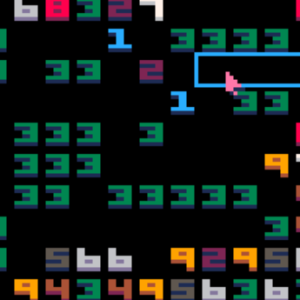











Talk It is a narrative-driven experience centered on conversations and the consequences that come from choosing how to communicate. Instead of relying on action or reflex-based mechanics, the game asks the player to focus on dialogue, tone, and interpretation. Each situation presents characters with different emotional states, backgrounds, and motivations. The player’s choices determine how those characters respond, what information they share, and how relationships evolve over time. The simplicity of the interface highlights the importance of words and the impact they can have in shaping outcomes.
Understanding Character Intentions
The core structure of Talk It revolves around recognizing what each character wants and how they express it. Some conversations require careful listening, while others demand assertiveness or clarity. The player must read between the lines to identify hidden concerns, misunderstandings, or unresolved conflicts. As conversations unfold, the player learns more about the characters’ perspectives and how past experiences shape their reactions. This approach creates a system where communication becomes both a challenge and a tool for progress.
Key Activities That Guide Gameplay
Throughout Talk It, the player repeatedly engages in several essential tasks:
- Choosing dialogue responses based on emotional tone
- Interpreting subtle cues in character behavior
- Navigating disagreements to prevent escalation
- Building trust by selecting supportive or neutral statements
- Unlocking new conversation paths through earlier decisions
These actions define how discussions progress and how relationships change with time.
Branching Paths and Consequences
Each dialogue choice influences the narrative, sometimes immediately and sometimes through delayed consequences. Small decisions — selecting a question, offering reassurance, or avoiding confrontation — can shift future events in unexpected ways. Characters remember how the player treated them, which affects how willing they are to share information or cooperate later. This branching structure encourages replay, as different choices reveal new dialogue routes and alternative perspectives on the same situations.
Themes and Emotional Depth
Talk It explores themes such as trust, personal boundaries, and the difficulty of expressing complex feelings. Characters are presented with realistic communication challenges, including misunderstandings, hesitation, or avoidance. The player’s role is to guide conversations toward resolution or allow tension to build depending on selected responses. The progression of relationships is gradual, shaped by choices that accumulate over multiple discussions. This system highlights how communication can either strengthen or weaken connections.
