

Similiar games
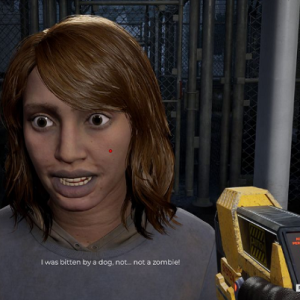







Tales Beyond The Tomb – Route 86 is a narrative-focused horror game built as a standalone episode within a larger anthology. The story takes place during a road trip that gradually shifts from a routine journey into a sequence of dangerous situations. Players are placed in controlled environments where progress depends on observation and movement rather than exploration freedom. The game avoids complex systems and instead concentrates on delivering a structured experience tied closely to its narrative flow.
Story Flow and Point of View
The narrative is divided into short sections that follow different characters from the same group. Each section presents a specific moment along the route and adds information that clarifies the overall situation. By changing perspective, the game allows players to understand events from multiple angles without branching the storyline. Dialogue and environmental details are used to provide context, while the story remains linear from beginning to end.
Gameplay Structure and Player Actions
Route 86 is played from a first-person perspective and centers on movement, awareness, and timing. Players are not equipped with combat tools and are expected to avoid threats rather than confront them. Interaction with the environment is limited to what is necessary for progression. Core gameplay components include:
- First-person navigation through enclosed locations
- Stealth-based movement and hiding mechanics
- Environmental triggers that advance scenes
- Chapter-based character switching
- Optional microphone input that reacts to player noise
These elements are combined to maintain tension while keeping controls simple and accessible.
Environment Design and Navigation
The environments in Tales Beyond The Tomb – Route 86 are designed to guide the player forward with minimal confusion. Locations such as roadside areas, interiors, and narrow pathways restrict movement and control pacing. Lighting and sound cues are used to indicate direction and danger, reducing the need for on-screen indicators. Each area serves a specific narrative purpose, and unnecessary interaction is avoided to keep the experience focused.
Audio and Visual Presentation
Visuals in Route 86 aim for clarity and consistency rather than variety. Models and textures support the setting without drawing attention away from gameplay. Audio plays a functional role, with ambient sounds and character voices signaling nearby threats or upcoming events. Silence is also used deliberately, forcing players to rely on environmental awareness and careful movement.
