

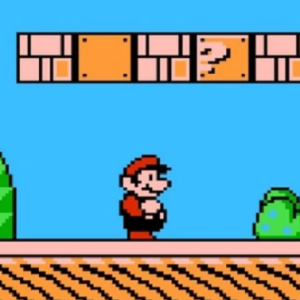
Similiar games











Super Mario Crossover 3 is a platform game built around classic Mario-style levels, but with a roster of characters drawn from various retro titles. The player advances through side-scrolling stages filled with familiar obstacles and enemy patterns, while each character introduces a different approach to movement and combat. The objective remains to reach the end of each stage while avoiding hazards and interacting with items scattered along the path.
Character Selection And Playstyles
At the beginning of each level, the player chooses a character, each bringing a distinct control scheme. Some characters move quickly, others handle combat differently, and a few can access areas that are difficult for others. Because movement abilities vary, the same platform arrangement can be navigated in multiple ways. Long jumps, vertical climbs, or projectile attacks change how enemies and obstacles are approached. This diversity encourages experimentation and replay.
Gameplay Tasks
Throughout Super Mario Crossover 3, players perform a set of core tasks that structure the game flow:
- Running or walking across platforms and ledges
- Jumping to cross gaps or reach elevated positions
- Using character-specific abilities to manage enemies
- Collecting coins, power-ups, or optional items
- Completing each stage by reaching the goal point
These tasks establish the rhythm of progression and remain consistent across characters.
Level Structure And Challenge
The game’s levels follow layouts similar to early Mario entries, featuring pits, pipes, floating blocks, and moving platforms. Enemy placement is predictable, which allows players to plan their actions. However, the challenge changes depending on the selected character. A section that requires precise platforming for one character might be simpler for another who can neutralize enemies from a distance or bypass obstacles entirely. Because of this, players must adapt strategies to match their chosen abilities, creating a dynamic relationship between level structure and character mechanics.
Replay Value And Progression
Super Mario Crossover 3 offers strong replay potential due to its combination of static level design and varied characters. Players can return to completed levels to test new playstyles, try more efficient routes, or aim to collect hidden items. Each run highlights different strengths and limitations, depending on who is chosen. This creates opportunities to analyze levels from multiple perspectives and refine strategies over time. The simplicity of individual stages makes the game suitable for quick sessions, while the range of character options supports longer, more experimental playthroughs.
