

Similiar games
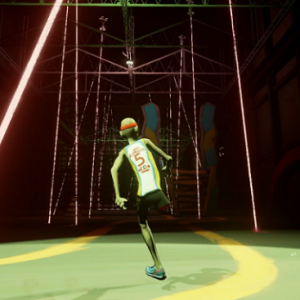
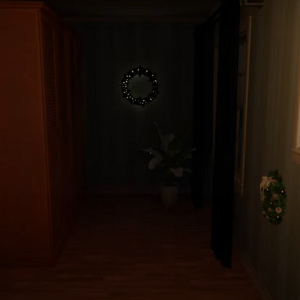
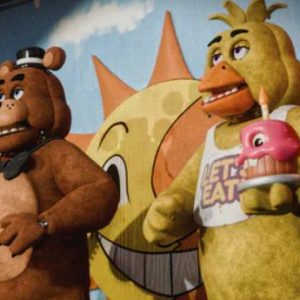
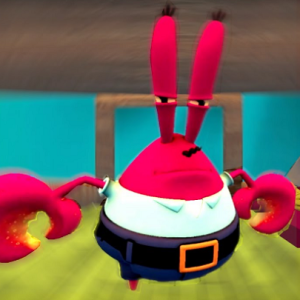
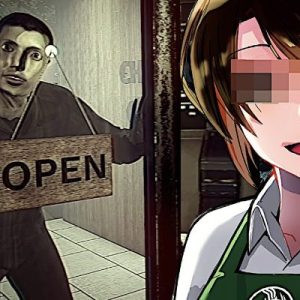
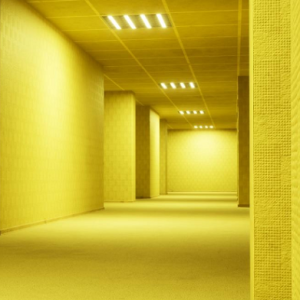
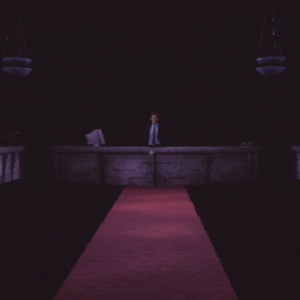
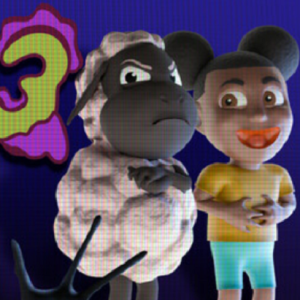
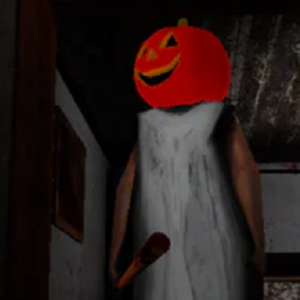

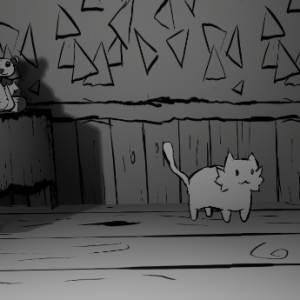
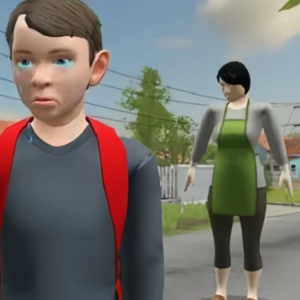
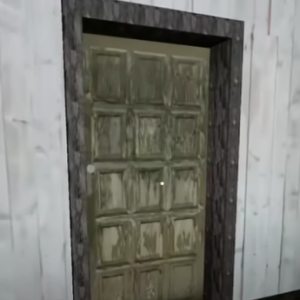
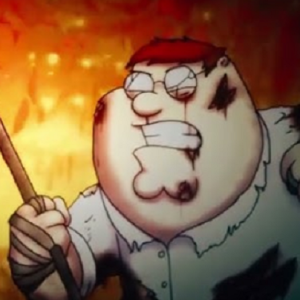
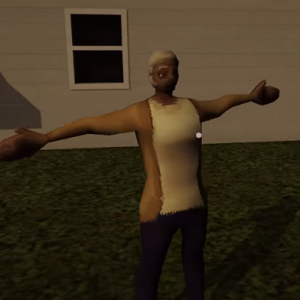
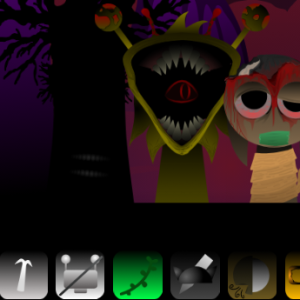
Stupidella Horror is a point-and-click puzzle game built around short interactive situations presented one after another. The player does not control a character directly and cannot move freely through space. Instead, each scene acts as a static frame where progress depends on choosing the correct interaction. The game provides no written instructions, which means understanding comes only from observing reactions to clicks and taps. Advancement is defined by completing each scene and moving on to the next one.
Core Interaction Model
The interaction model is intentionally minimal. The player can only click or tap on visible elements inside the scene. Some objects react immediately, while others require a specific order of actions. Incorrect interactions usually reset the scene without explanation. There are no penalties beyond repetition, which makes experimentation the main way to learn. Because the game does not explain its logic, players must rely on visual feedback to determine whether an action was meaningful.
Scene Logic and Progression
Each scene in Stupidella Horror follows its own internal rules that do not carry over to the next level. Once a scene is solved, it is replaced entirely by a new setting with different interactive elements. This structure prevents routine and forces the player to reassess the environment every time. Progression is strictly linear, and there are no alternative paths or optional challenges. Completion depends solely on identifying the correct interaction pattern for each scene.
In the middle of gameplay, the player consistently deals with:
- single-screen puzzle scenes
- object-based click interactions
- visual reactions to correct or incorrect input
- repeated attempts after failure
- immediate transitions between levels
Visual Communication and Feedback
Visual feedback is the primary form of communication. Animations, changes in object position, or scene transitions indicate whether progress has been made. There are no dialogue boxes or hint systems guiding the player. Sound effects reinforce actions but do not explain outcomes. This reliance on visual response encourages careful attention to detail, as even small changes may signal the correct direction.
Stupidella Horror is designed for short sessions and quick completion. Individual scenes are brief once understood, but first attempts may involve multiple resets. There is no scoring, inventory, or progression system beyond moving forward. Replay value comes from remembering solutions and completing scenes more efficiently. The game focuses on unconventional logic and immediate feedback, offering a compact puzzle experience where progress depends entirely on observation, memory, and willingness to experiment.
