

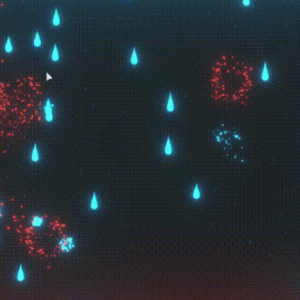
Similiar games

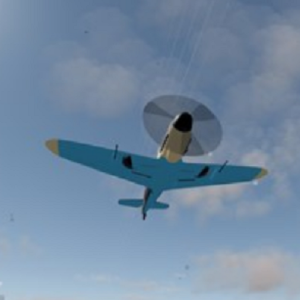
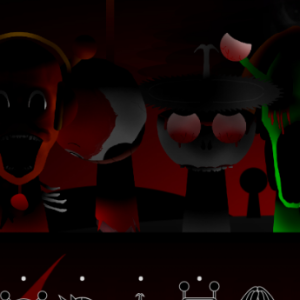

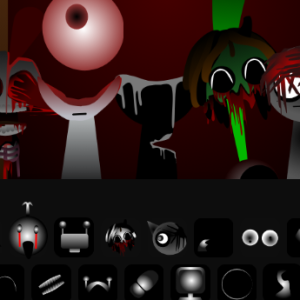
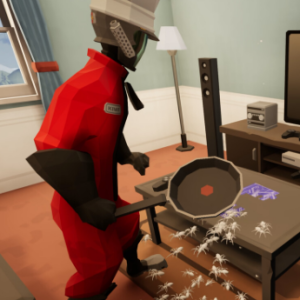

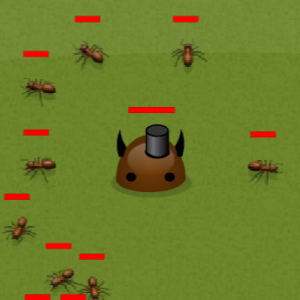





Storm Grill is a run-based game where the player manages a single grill exposed to ongoing rainfall. The main objective is to keep the fire active by preventing raindrops from reaching the grill surface. Each raindrop removed before impact generates currency, while missed drops reduce the remaining fire capacity. The game operates on short sessions that end once the fire is depleted, creating a structure where repeated attempts are expected rather than avoided.
Session Rules and Player Control
At the beginning of each session, the grill starts with limited capabilities defined by previously unlocked upgrades. Player input is focused on removing raindrops through direct interaction, which establishes a constant relationship between reaction time and survival duration. As time passes, raindrops appear more frequently, increasing the chance of mistakes. There are no pauses or breaks inside a run, so every second adds pressure and forces the player to manage attention carefully.
Persistent Progression System
Between sessions, Storm Grill shifts from action to long-term planning. Currency collected during gameplay is preserved and used to unlock permanent improvements. These upgrades modify how future sessions behave but do not eliminate the core mechanics. Instead, they adjust efficiency, resistance, and resource flow. This structure ensures that progress is steady and tied to understanding the system rather than mastering a single run.
Key systems that define progression include:
- Increased effectiveness of manual raindrop removal
- Passive effects that handle part of the rainfall automatically
- Defensive upgrades that slow fire depletion
- Economy upgrades that raise currency gain per session
These systems interact with each other, requiring balanced investment rather than focus on one area.
Difficulty Growth Over Time
Difficulty in Storm Grill scales based on session length rather than stages or levels. Longer survival leads to higher drop density and tighter reaction windows. This approach ensures that each run naturally reaches a failure point, regardless of upgrades. The player’s task is to push that point further by improving efficiency and decision-making across sessions.
In later gameplay, reliance on automation increases, but full control is never removed. Manual input remains necessary during peak rainfall moments, making attention management a constant requirement. This balance prevents sessions from becoming passive while still rewarding long-term planning.
Storm Grill does not define completion through an ending or final level. Progress is measured by consistency, longer survival times, and more stable sessions. Each failed run provides clear feedback through its outcome, reinforcing the loop of adjustment and retry. The game maintains focus on system interaction rather than narrative or external goals.
