

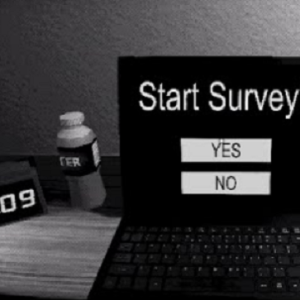
Similiar games

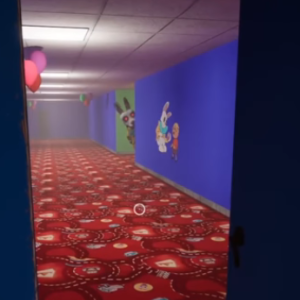
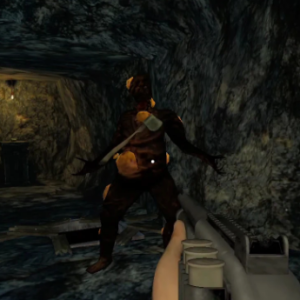

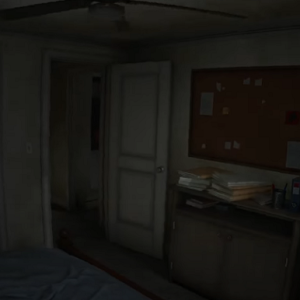
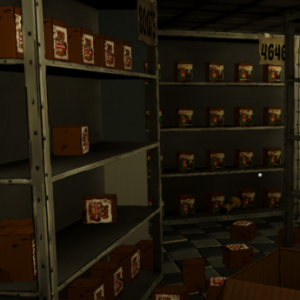
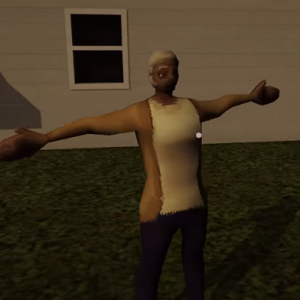
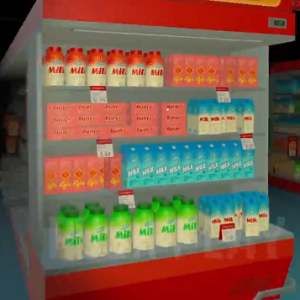

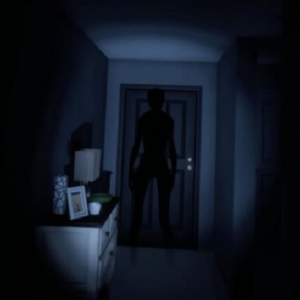
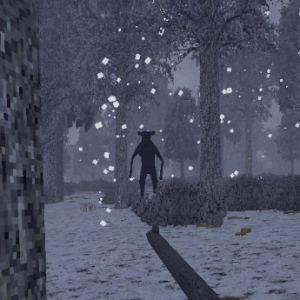
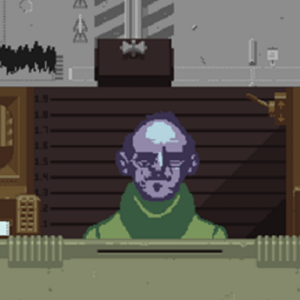

An interactive horror concept is presented in Start Survey, where the player is placed in a minimal environment and asked to complete a questionnaire. The experience begins in a small room with a computer, creating a controlled setting with limited interaction. The player progresses by answering a sequence of yes-or-no questions, which gradually shift from neutral topics to more personal and unsettling themes.
Core Concept And Interaction
The main mechanic in Start Survey is based on answering questions rather than performing traditional actions. The interface is simple, allowing the player to look around and interact with objects using basic mouse controls. Each response advances the sequence, while subtle changes in the environment reinforce the progression.
As the session continues, the survey begins to reference the player more directly. This creates a connection between in-game events and external context, which alters how the questions are perceived. The gameplay remains linear, but the tension increases through the structure of the questionnaire rather than through complex systems.
Structure And Flow
The game is designed as a short session that typically lasts several minutes. Despite its length, the sequence is tightly controlled, with each question leading to the next without branching paths in the early stages. The pacing is consistent, allowing the player to focus on interpreting the content of the survey.
Over time, the tone shifts as questions become more specific and introspective. The environment remains largely unchanged, but the perceived meaning of the space evolves. This approach emphasizes psychological engagement instead of physical challenge.
- Linear progression through a fixed set of questions
- Interaction limited to observation and selection
- Increasingly personal and abstract prompts
- Short playtime with focused structure
- Multiple endings based on responses
Atmosphere And Presentation
Start Survey uses minimal visual design to maintain focus on the questionnaire. The room contains only essential elements, which reduces distraction and highlights the central mechanic. An optional grayscale mode can be enabled, altering the visual tone without changing gameplay.
Audio and pacing contribute to the overall structure. There are no complex sound systems, but timing and silence are used to support the progression. The lack of traditional gameplay feedback shifts attention toward the content of each question and its implications.
Player Experience And Interpretation
The experience in Start Survey is defined by interpretation rather than skill. Players are required to reflect on each answer and consider its consequences within the sequence. The absence of traditional challenges places emphasis on decision-making and perception.
Replayability is limited but present through alternative outcomes. Different responses can lead to variations in the ending, encouraging repeated sessions. The design relies on controlled pacing and structured interaction to deliver a concise experience focused on questioning and response.
