

Similiar games
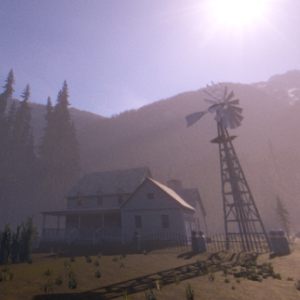










Shutter Story is a single-player horror investigation game built around the examination of visual records connected to a family’s past. The player is tasked with reviewing photographs and video footage that appear ordinary at first glance but gradually reveal irregular details. Progression is driven by careful observation rather than speed, and the game establishes its narrative through accumulated evidence. Instead of direct explanations, the story develops as the player connects visual findings to a broader sequence of events.
Evidence Review and Player Role
In Shutter Story, the player acts as an investigator who must interpret visual material without clear guidance. Photographs and recordings are presented as primary sources of information, and the player is responsible for identifying elements that do not fit expected patterns. These discoveries are not highlighted automatically and require manual inspection. The role of the player is defined by decision-making, as conclusions drawn from the material influence what content becomes available next.
Analysis Tools and Gameplay Structure
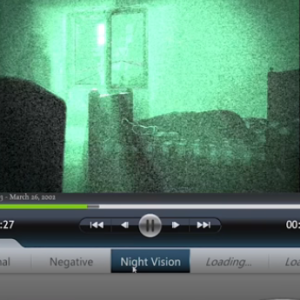
The gameplay loop in Shutter Story is centered on a set of tools that allow detailed inspection of media. Players adjust image properties and isolate sections to search for abnormalities. The investigation process is structured around repeated analysis and reassessment, supported by several core systems:
- Manual inspection of photos and video clips
- Adjustment of visual parameters during analysis
- Classification of discovered irregularities
- Documentation of findings for later reference
- Unlocking new scenes based on evidence
These systems encourage a methodical approach, where progress depends on accuracy and consistency rather than exploration alone.
Environmental Sequences and Context
After completing certain analysis tasks, the player enters first-person environments connected to the reviewed material. These spaces are not open-ended and serve as contextual extensions of the investigation. Objects, layout changes, and visual cues within these environments reflect previously discovered evidence. Movement is controlled and deliberate, reinforcing the connection between static visual analysis and real-time exploration.
Narrative Delivery and Progression
The narrative in Shutter Story is delivered indirectly through visual clues and environmental changes. Dialogue is limited, and much of the story is implied through the relationship between images and locations. Player interpretation plays a significant role, as different conclusions can alter the order in which scenes are presented. The game avoids traditional branching choices and instead ties progression to investigative outcomes.
