


Similiar games





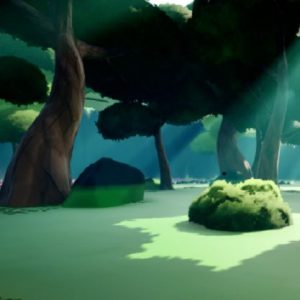
Shredsauce is a freestyle skiing game centered on open-ended movement and trick execution within snow park environments. Players control a skier who navigates slopes filled with jumps, rails, and terrain features designed for performing combinations. The game does not impose strict goals, allowing players to focus on improving technique and building longer trick sequences. Its structure supports both casual exploration and more deliberate practice of specific mechanics.
Movement System And Trick Execution
The movement system in Shredsauce is based on momentum and player input. Speed affects jump height and distance, while body rotation determines how tricks are performed in the air. Players can execute spins, flips, and complex variations by combining directional inputs. Landing stability depends on alignment and timing, making each trick a controlled action rather than an automatic result. The physics model requires players to understand how motion carries through each phase of a jump.
Modes And Custom Content
Shredsauce includes several ways to interact with its environments. Players can explore predefined parks or use tools to create their own levels. Custom maps can be shared, extending the available content beyond the default selection. Multiplayer elements allow players to see others in the same environment, which adds a social layer without changing the core mechanics.
- Freestyle skiing without fixed objectives
- Custom park editor with user-generated maps
- Multiplayer presence in shared environments
- Trick combinations based on player input
- Accessible through browser and mobile platforms
Progression And Skill Building
Progression in Shredsauce is not tied to levels or unlock systems but to player improvement. Learning how to control speed, angle, and rotation is essential for consistent performance. Players often begin with simple jumps and gradually attempt more complex tricks as they gain control over movement. Combining tricks into sequences requires planning and awareness of terrain layout.
The game encourages repeated attempts to refine execution. Small adjustments in timing or positioning can significantly change outcomes, which makes practice a key component. Players can focus on specific elements such as rail balance or aerial control to improve overall performance.
Shredsauce maintains long-term engagement through its flexible structure and emphasis on player-driven goals. The absence of rigid objectives allows players to define their own challenges and track progress through consistency. This approach supports continuous learning and varied gameplay without relying on predefined progression systems.
