

Similiar games






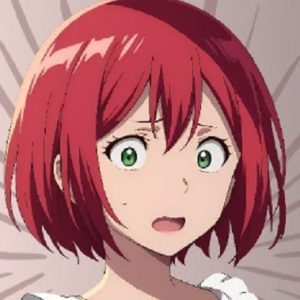
Saya No Uta follows the story of Fuminori, a student recovering from a medical incident that drastically alters how he perceives the world. After the accident, his surroundings appear unfamiliar, and ordinary interactions become challenging to interpret. As he attempts to understand these changes, he withdraws from people who once formed the core of his daily life. During this period of isolation, he encounters Saya, who becomes the only presence he can understand without confusion. The narrative centers on how this connection shapes his decisions.
Shifting Perspectives And Relationship Tension
The story alternates between Fuminori’s viewpoint and those of characters concerned about him. His friends notice his sudden change in behavior and discuss possible reasons for his increasingly distant attitude. Meanwhile, Saya’s presence introduces uncertainty, as her origins and intentions are unclear to others involved in the story. This contrast creates tension between characters attempting to support Fuminori and his own efforts to maintain stability in a world that no longer aligns with his memories.
Player Agency And Story Interaction
Saya No Uta allows the player to influence the direction of the narrative through a series of choices. These choices often involve:
- deciding how Fuminori communicates with his friends;
- determining whether he seeks help or avoids intervention;
- selecting how he responds during key moments with Saya;
- influencing whether conflicts escalate or resolve;
- guiding how he interprets uncertain situations.
Each decision affects later scenes, shaping the plot and the characters’ understanding of one another.
Themes Of Perception And Interpretation
A major theme in Saya No Uta is the role of perception in shaping reality. The difference between what Fuminori sees and what others experience creates miscommunication and diverging interpretations of the same events. The narrative uses alternating viewpoints to highlight how personal circumstances can alter one’s reading of a situation. This structure encourages players to consider how limited perspectives may lead individuals to form conclusions that conflict with those of others.
Narrative Endings And Replay Possibilities
The story branches into multiple endings, each reflecting the player’s decisions throughout the visual novel. Some routes focus on resolving Fuminori’s condition, while others examine the outcome of maintaining his connection with Saya despite external pressures. Because choices have meaningful consequences, replaying Saya No Uta offers new insights into characters’ motivations and alternative interpretations of key events. Each path presents a different angle on the central themes, making repeated playthroughs valuable for understanding the full narrative structure.
