

Similiar games
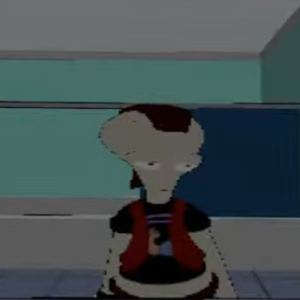
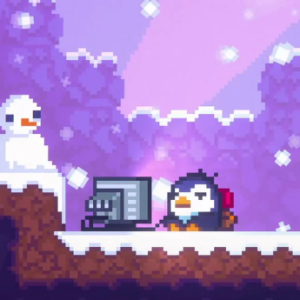






Playthings is a compact horror experience centered on inspection and procedural judgment. The player is assigned to a secure facility where toys are delivered individually for evaluation. Each item must be examined according to established rules, and the outcome depends on how accurately the player identifies irregular behavior. The game removes traditional movement and replaces it with focused interaction, making attention and consistency the main tools for progression.
Fixed Location And Procedural Focus
The game takes place entirely within a single controlled room designed for testing. The player does not move through corridors or search environments, but instead works at a station equipped with specific instruments. Every new toy arrives with instructions that outline the same examination process. This fixed structure creates a sense of order that feels reliable at first. Over time, however, the repetition encourages assumption, which becomes a risk when subtle differences begin to appear.
Observation Over Action
Playthings relies on careful observation rather than mechanical skill. Each test is simple to perform, but interpretation is where difficulty emerges. The game does not clearly explain what constitutes a failure, forcing the player to compare results across multiple inspections. In the central portion of the game, the player repeatedly completes a familiar set of actions:
- checking sound responses to specific triggers
- calling the toy by name and noting reactions
- photographing the subject for visual comparison
- recording temperature data
- applying controlled physical stress
These steps never change, which makes deviation easier to miss when fatigue sets in. The challenge is not learning the process, but maintaining precision while repeating it.
Classification And Consequences
After all tests are completed, the player must classify the toy as safe or unsafe. The game offers limited feedback, meaning outcomes are not always immediately clear. This design choice increases uncertainty and encourages players to trust their records rather than instinct. A single incorrect classification can disrupt progress, reinforcing the importance of careful documentation and comparison.
Routine As Psychological Pressure
Instead of increasing difficulty through new mechanics, Playthings tightens pressure through familiarity. The more confident the player becomes, the more dangerous small oversights are. The environment remains unchanged, but perception shifts as previously reliable indicators become questionable. Routine turns into a source of tension rather than comfort.
