

Similiar games



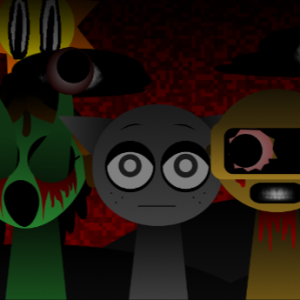
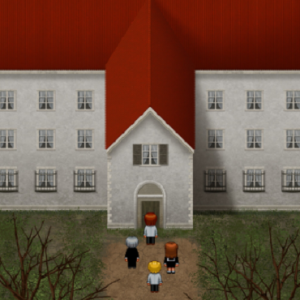
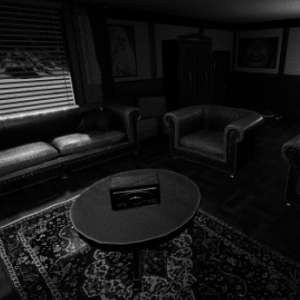
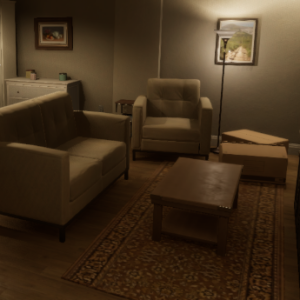


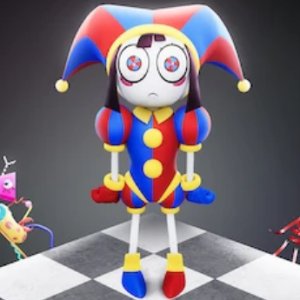

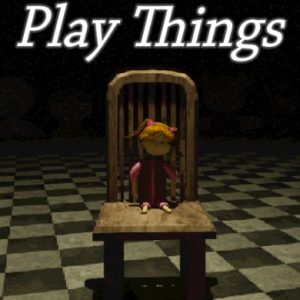
Play Things is an investigation-focused game built around controlled inspection and repeated decision-making. The player operates in a single enclosed workspace where dolls are delivered one at a time for evaluation. There is no exploration, movement between locations, or direct confrontation. Instead, the experience centers on observing behavior, performing formal tests, and recording results. Progress is defined by completing examinations rather than advancing through a story or unlocking new mechanics.
Role Definition and Work Routine
From the beginning, Play Things establishes the player as an examiner with a clearly defined task. Each session follows the same operational structure, which emphasizes consistency and procedure. The player initiates each examination manually and prepares the workspace before interacting with the object. There are no prompts that explain how results should be interpreted, which places responsibility on the player. Over time, familiarity with the routine becomes essential for noticing deviations.
Testing Framework and Interaction Boundaries
Interaction in Play Things is limited to a fixed set of tools designed for examination. These tools do not provide conclusions on their own and must be used systematically. The player is required to document findings without automated validation. In the central part of the gameplay loop, the examination process consistently includes the following actions:
- Calling the doll by name and noting any reaction
- Recording audio to identify irregular sound output
- Taking photographs to compare visual features
- Measuring temperature to check for abnormal values
- Applying physical interaction to observe responses
Each test produces information that gains meaning only when compared with results from other examinations.
Interpretation and Decision Responsibility
After completing the tests, the player must decide how to classify the examined object. The game does not confirm whether a decision is correct at the moment it is made. Some results may conflict or appear neutral, requiring the player to weigh evidence across multiple cases. This structure encourages pattern recognition and cautious judgment rather than reliance on single indicators.
Progression Without Quantitative Feedback
Play Things does not include levels, scores, or achievement systems. Progress is represented only by the sequence of completed examinations and the decisions associated with them. The absence of performance metrics removes optimization pressure and keeps focus on the process itself. Repeated sessions can lead to different outcomes based on interpretation, not mechanical change.
The presentation of Play Things is minimal and consistent, keeping attention on the examination process. Visual elements remain stable, allowing small variations to stand out through repetition. Audio cues are restrained and functional, supporting analysis rather than distraction. Overall, Play Things functions as a procedural investigation experience where routine, documentation, and responsibility define the player’s role, and uncertainty emerges from interpretation rather than scripted events.
