

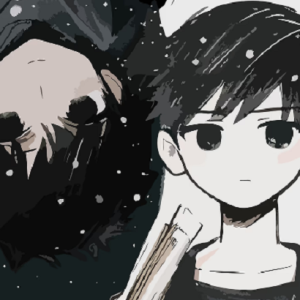
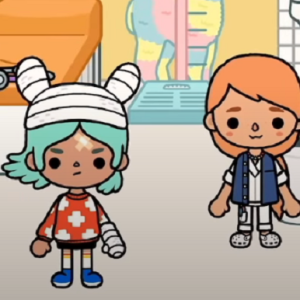
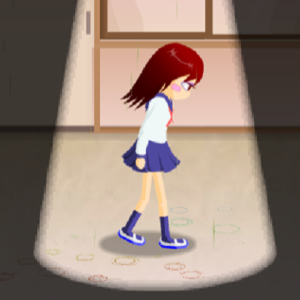
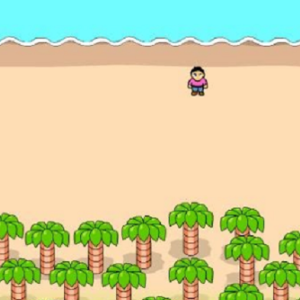
Similiar games














Omori is a role-playing game built around two interconnected settings that the player alternates between while guiding the main character through exploration and decision-based progress. Movement occurs across tile-based maps filled with objects, characters, and branching paths. The gameplay focuses on uncovering story elements, completing tasks, and interacting with the environment to open access to new areas. Each shift between worlds introduces new challenges and information that expand the narrative.
Environmental Exploration
The game features numerous locations in both the dream world and the real world. Players interact with furniture, signs, doors, and background objects to discover items or activate story sequences. Characters encountered along the way provide guidance, tasks, or contextual clues. Some areas require returning after new information or items are acquired, encouraging a steady cycle of revisiting earlier spaces. The structure emphasizes careful observation, as many details contribute to understanding the unfolding events.
Core Gameplay Loop
Throughout Omori, players engage in a set of recurring activities essential for progress:
- Exploring environments and inspecting interactive elements
- Participating in turn-based battles influenced by emotion mechanics
- Gathering items used for quests or combat situations
- Completing tasks assigned by characters
- Advancing story moments through movement and interaction
These actions create a balanced loop that blends narrative progression with strategic encounters.
Emotion-Based Combat
Combat uses traditional turn-based selection but introduces an additional system based on emotional states. Party members and enemies can become happy, sad, or angry, and these states adjust their stats and behavior. Players must decide when to influence emotional conditions to gain an advantage or counter an enemy’s state. Certain skills interact directly with emotions, prompting players to consider timing and combinations that best fit the situation. This adds a layer of planning that goes beyond standard attack and defense strategies.
Narrative Progression And Choices
As players move forward, they uncover information that links the dream world to events in the real world. Both main and optional tasks contribute pieces of the wider story. Some interactions provide insight into relationships, while others open new paths or trigger key scenes. Player choices can shift how certain events unfold later, providing room for variations in progression. Returning to earlier areas may reveal hidden items or missed interactions, encouraging thorough exploration and giving the game replay value.
