

Similiar games
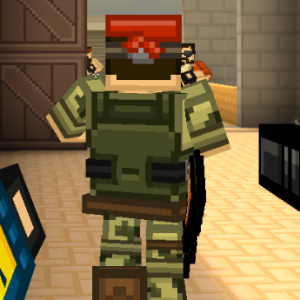

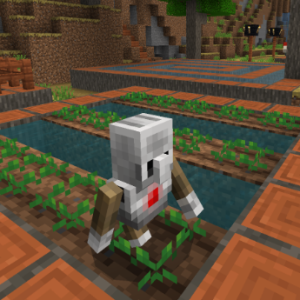
Minecraft Education is an educational version of Minecraft designed to support learning through interactive building and exploration. Players enter block-based worlds where teachers or students can create structured lessons, challenges, or open environments for experimentation. The game maintains the standard mechanics of gathering materials, crafting tools, and constructing structures, but expands them with features that support classroom activities and collaborative projects. Each world can be shaped to cover topics such as coding, history, biology, or engineering.
Classroom Tools And Structure
In Minecraft Education, teachers can guide students through lessons using in-game items that provide instructions or enforce rules. The game introduces a camera, portfolio, and other tools that let students document their work. Classrooms often use the game as a shared world where multiple students participate simultaneously, solving problems or completing tasks together. This creates opportunities for teamwork as students coordinate building goals, resource gathering, and exploration routes. The interface supports structured objectives without limiting creative freedom.
Key Features And Educational Functions
Minecraft Education includes features that help integrate gameplay into learning activities:
- A code builder for scripting commands and automating tasks
- Non-player characters that deliver instructions or information
- Assessment tools such as portfolios and in-game quizzes
- Chemistry-related crafting with special elements and compounds
- Secure multiplayer sessions for controlled collaboration
These features work together to help educators shape lessons that combine creativity with subject-specific content.
Learning Applications And Student Interaction
Students use Minecraft Education to explore concepts by building models, running simulations, and testing ideas inside a virtual environment. Coding lessons allow them to write simple scripts that automate actions, helping them understand logic and sequences. History lessons may involve reconstructing ancient structures, while science lessons may focus on chemical reactions using the in-game chemistry system. Students communicate, plan, and modify designs as a group, reinforcing collaboration skills. The game supports both guided lessons and open-ended exploration depending on classroom needs.
Long-Term Use And Adaptability
Minecraft Education remains relevant across long-term use due to its adaptability. Teachers can design new worlds tailored to specific lessons or use existing templates from the game’s library. Students can revisit completed assignments to refine their work or expand ideas. Because the game offers tools for saving, exporting, and presenting projects, it works well for ongoing classroom portfolios. The open structure encourages repeated play as students improve their problem-solving skills and experiment with new approaches in a familiar environment. As a result, Minecraft Education supports continuous learning through hands-on interaction and collaborative design.
