

Similiar games
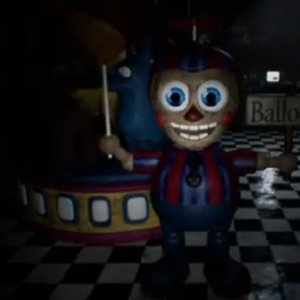
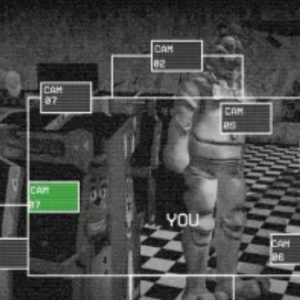

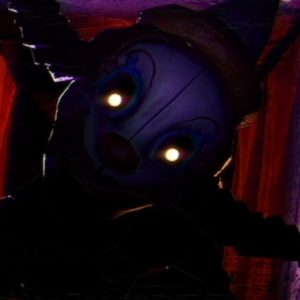
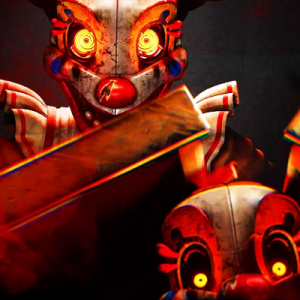
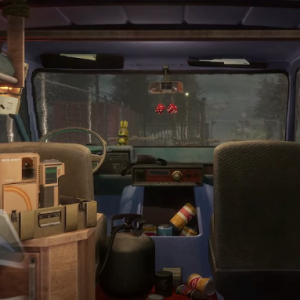
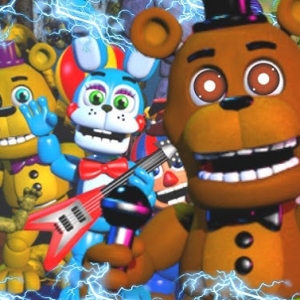


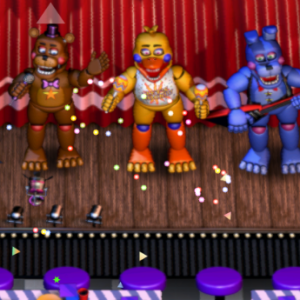
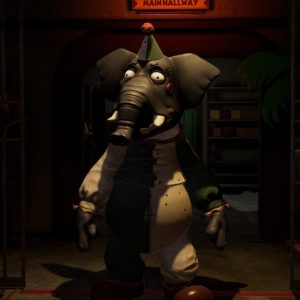
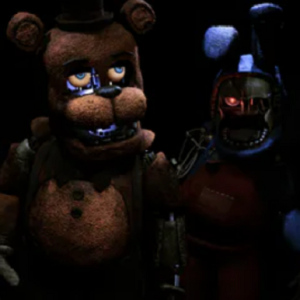
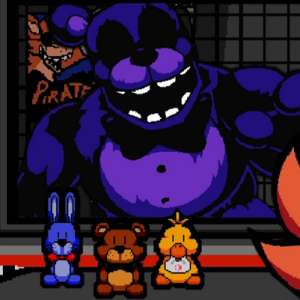

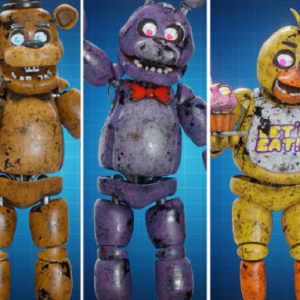

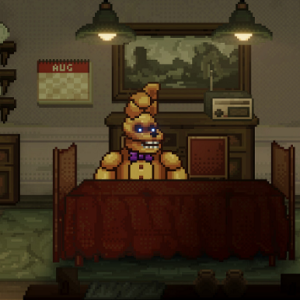
Midnight At Starstage is a point-and-click survival horror game where the player works a night shift inside an entertainment facility. The gameplay is structured around monitoring the environment, managing limited resources, and reacting to threats that appear during each night. The player remains in a fixed position and must use cameras, doors, and timing to survive until the end of the shift.
Core Gameplay And Perspective
The game follows a stationary perspective similar to other survival horror systems. The player observes different areas through a camera system and switches between views to track enemy movement. Each action consumes limited resources, which must be managed carefully to avoid system failure.
Two main hallways are located on either side of the player, and both must be monitored constantly. Enemies approach from different directions, requiring quick reactions and correct use of doors or other defensive tools. The challenge increases as new mechanics are introduced in later stages.
Mechanics And Resource Management
A central mechanic in Midnight At Starstage is the management of a limited-use system tied to the monitoring equipment. Switching cameras and activating certain functions consumes available energy or usage points. When these are depleted, systems temporarily shut down, leaving the player vulnerable.
Key gameplay elements include:
- monitoring camera feeds to track threats
- managing limited system usage
- controlling doors on both sides
- reacting to sound cues for enemy position
- restarting systems to restore functionality
These elements create a loop of observation and decision-making.
Enemy Behavior And Patterns
Enemies in Midnight At Starstage follow specific movement patterns that the player must learn. Some approach quickly and require immediate action, while others demand continuous observation to prevent attacks. Each new night introduces additional characters with unique mechanics.
Sound plays an important role in identifying threats. Audio cues indicate direction and timing, allowing the player to react without constant camera use. Understanding these signals improves survival chances.
Progression And Difficulty Scaling
The game is divided into multiple nights, each increasing in difficulty. New mechanics, enemies, and limitations are introduced progressively, requiring the player to adapt strategies. Earlier nights serve as an introduction, while later stages combine multiple threats simultaneously.
Progression depends on surviving each night and understanding how different systems interact. Mistakes often result from mismanaging resources or reacting too late to threats.
