


Similiar games







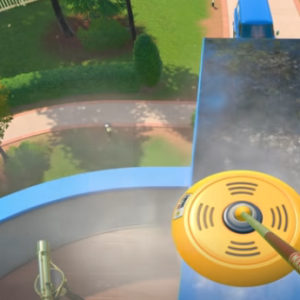
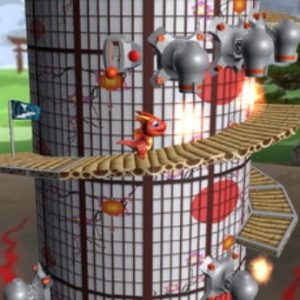








Meteor 60 Seconds is a compact decision-focused game built around a single unavoidable event and a strict time limit. From the first second of play, the player is informed that a meteor impact will occur in exactly one minute. There is no preparation phase, no gradual introduction, and no way to slow the countdown. The experience begins immediately, forcing the player to react and choose actions under constant pressure.
Time Constraint and Environmental Design
The sixty-second countdown defines how the player perceives the environment. The playable space is limited, yet filled with interactive elements that compete for attention. Every movement, interaction, or pause consumes time, turning even small decisions into trade-offs. The game provides no visual indicators of importance, requiring the player to judge which actions are worth the remaining seconds. This structure creates tension through limitation rather than mechanical difficulty.
Player Agency Without Clear Objectives
Meteor 60 Seconds does not offer a traditional goal such as winning or escaping. Instead, the player is free to decide how to spend the final moments before impact. This lack of direction places full responsibility on the player’s priorities. During the middle of a run, players often repeat a core set of actions that shape each attempt:
- Exploring the environment to identify usable objects
- Interacting with items that may alter outcomes
- Choosing whether to commit to one action or change plans
- Monitoring the countdown while acting
- Accepting that not all possibilities fit into one minute
These actions form the central loop and gain meaning through repetition rather than instruction.
Learning Through Repetition and Memory
Each session lasts exactly sixty seconds, encouraging multiple attempts. There are no upgrades, abilities, or persistent bonuses that carry over between runs. Progress exists only in the player’s understanding of the environment and its interactions. Over time, players learn which choices lead to meaningful consequences and which simply waste time. Improvement is cognitive rather than mechanical, based on memory and planning.
Outcomes and Consequence Handling
Meteor 60 Seconds includes multiple possible endings determined by player behavior. Some outcomes are immediate, while others require specific sequences or timing. The game does not evaluate success or failure explicitly. Instead, it presents results without explanation, leaving interpretation open. This approach reduces frustration and promotes experimentation, as each attempt is brief and self-contained.
