

Similiar games


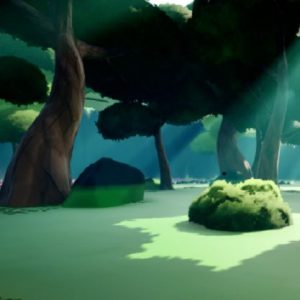




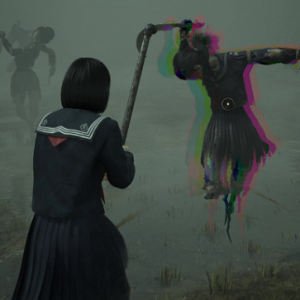

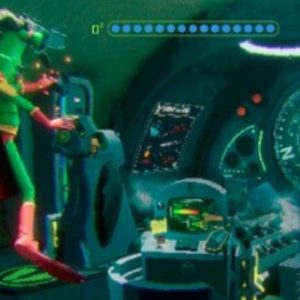






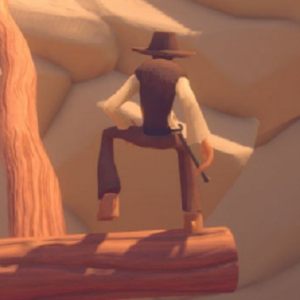
In Log Riders, players take control of two characters balancing on a single rolling log while moving through obstacle-based levels. The main goal is to reach the end of each stage without losing balance or falling off the platform. The gameplay is built around coordination, where both players must synchronize their actions to maintain stability. Movement is simple in terms of controls, but the interaction between both players creates a more complex experience.
Gameplay Structure And Level Design
Levels are designed with increasing difficulty and introduce new obstacles as players progress. Early stages focus on basic movement and balance, while later sections require more precise timing and coordination. The environment includes gaps, moving platforms, and uneven surfaces that affect how the log behaves.
There is no traditional storyline, and progression is based on completing levels. Players can retry sections multiple times, which helps them understand how movement affects balance. The structure encourages practice and gradual improvement.
Controls And Movement Mechanics
Each player controls one side of the log, which directly influences its rotation and direction. Moving in the same direction increases speed but can reduce control. Moving in opposite directions can stabilize the log but slows progress.
- Coordinated movement improves balance
- Opposite inputs help control rotation
- Fast movement increases risk of falling
- Smooth adjustments help pass obstacles
Learning how to combine movement patterns is important for consistent performance.
Strategy And Cooperation
Success depends on communication between players. Acting independently often leads to imbalance and failure. Players should agree on movement timing and adjust their actions based on the situation. Controlled movement is usually more effective than speed.
Log Riders becomes more demanding as new obstacles require quicker reactions and better synchronization. Players improve by understanding each other’s timing and adapting to changing level conditions. Consistent coordination allows them to complete more difficult stages and maintain stability throughout each run.
