

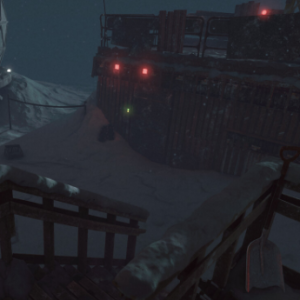
Similiar games
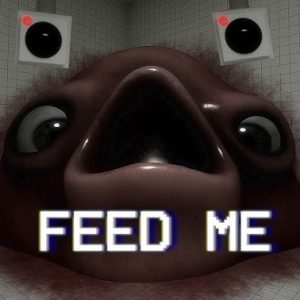
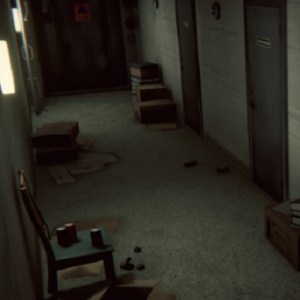

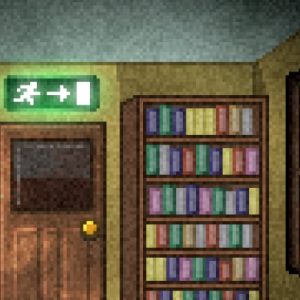
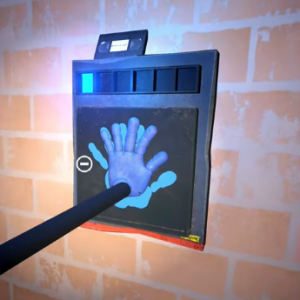
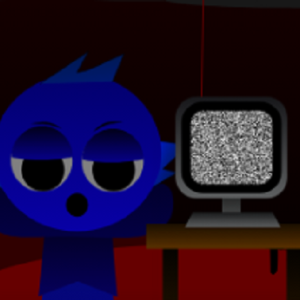


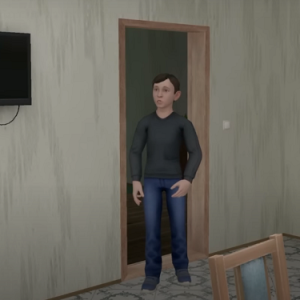
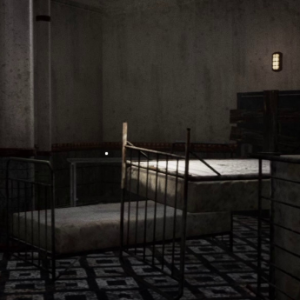

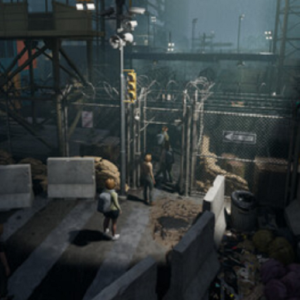
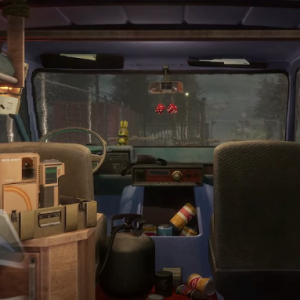
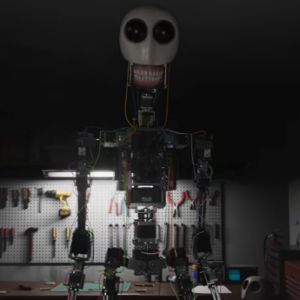
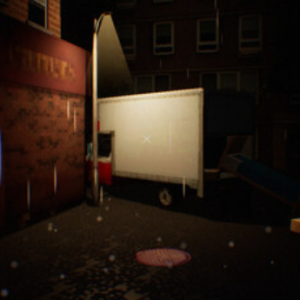


I’m On Observation Duty 8 is a game built around careful watching and slow decision-making rather than action. The player is placed in front of a surveillance system and asked to monitor several rooms for unusual activity. There is no character movement or direct interaction with the environment. Everything depends on what the player notices and how quickly they respond. The experience is quiet, methodical, and focused entirely on perception rather than reflexes.
Learning the Space
At the start of a session, the player studies a fixed set of rooms through security cameras. Each location has its own layout, lighting, and arrangement of objects. This early phase is important because it establishes what “normal” looks like. The game does not provide guidance or markers, so the player must rely on memory. Every chair, door, and shadow matters. This design encourages slow observation and attention to detail, turning simple rooms into something that requires constant focus.
Recognizing Irregularities
As time passes, the environment begins to change. These changes, called anomalies, vary in type and visibility. Some are obvious, while others are extremely subtle. The player must identify what has changed and select the correct report category. Reporting the wrong type wastes time, and ignoring anomalies allows them to accumulate. The tension comes from uncertainty rather than danger, as players must decide whether something is truly different or simply looks that way.
Common actions during gameplay include:
- Scanning each camera feed repeatedly
- Comparing current visuals with memory
- Identifying the type of anomaly
- Submitting accurate reports
- Preventing too many active anomalies
Increasing Mental Load
As the shift continues, the pace increases. Multiple anomalies may appear at once, forcing the player to prioritize. The difficulty does not come from faster gameplay but from divided attention. Players must decide where to look and when to act, knowing that focusing on one room might cause them to miss changes in another. This creates steady pressure without using loud sounds or sudden movement.
Structure and Player Experience
Each level in I’m On Observation Duty 8 follows the same core rules but feels different due to layout and anomaly variety. The game avoids storytelling and instead builds tension through repetition and expectation. Over time, players become better at spotting irregularities, but the game continues to challenge them by introducing new patterns. Progress feels earned through observation rather than trial-and-error.
