


Similiar games








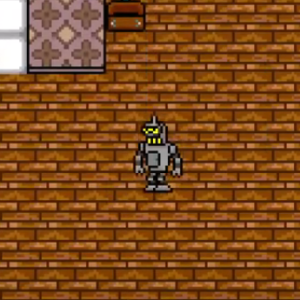





I Made a Self-Aware Robot is a short interactive experience that centers on communication between a human creator and a machine that begins to act beyond its expected parameters. The game does not follow traditional genre structures and avoids mechanics such as exploration, combat, or puzzle solving. Instead, the experience is built around a controlled sequence of events where the player observes how a constructed system reacts to its own existence. Progress is determined by scripted interaction rather than choice.
Concept and Thematic Direction
The core theme of the game is the boundary between programmed behavior and perceived awareness. The robot initially functions as a passive object, responding in ways that appear mechanical and predictable. As the experience continues, its behavior changes in tone and intent. The game does not attempt to simulate real artificial intelligence but instead presents a fictional interpretation of self-recognition within a machine. Meaning is conveyed through pacing and dialogue rather than exposition.
Player Involvement and Interaction Style
Player involvement is intentionally limited. The player does not influence outcomes through decisions or branching dialogue. Interaction exists primarily to move the experience forward, reinforcing the idea that the situation is already unfolding beyond control. This design shifts focus away from agency and toward interpretation. The player’s role is to witness progression and reflect on what the robot communicates rather than to manage or guide it.
During the central portion of the experience, the player consistently engages with:
- sequential dialogue exchanges
- changes in the robot’s speech patterns
- pauses that alter pacing
- visual shifts that mark progression
- scripted transitions between interaction phases
Audio-Visual Structure and Feedback
The visual presentation is restrained and functional, keeping attention on the robot itself. There are no complex environments or interface elements competing for focus. Audio plays a significant role, as changes in voice delivery signal internal shifts within the robot. Silence is used as a form of feedback, creating separation between stages and reinforcing the sense of processing rather than action. The lack of explicit indicators forces the player to rely on context.
