

Similiar games

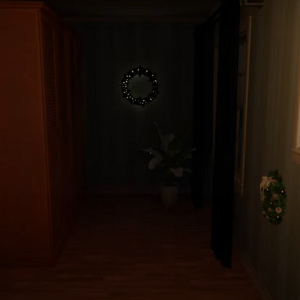
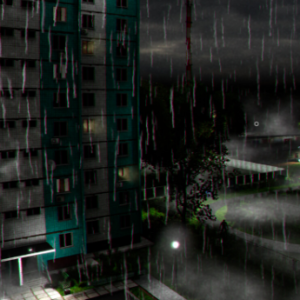
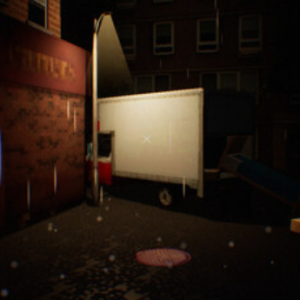

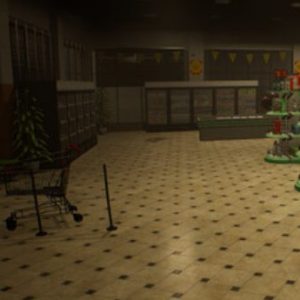
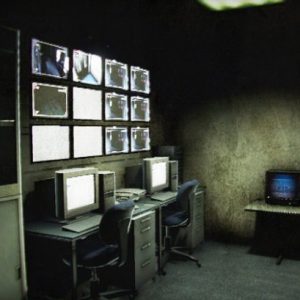
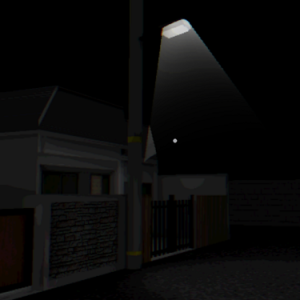
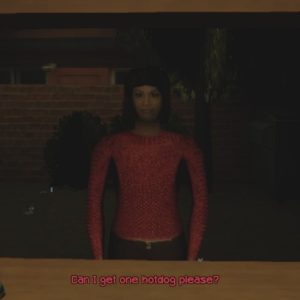



Homework is a short first-person horror game distributed through itch.io for Windows systems. The player assumes the role of a child tasked with completing school-related math exercises at home. Controls follow a familiar PC scheme, using keyboard input for movement and the mouse for viewpoint adjustments. The experience is intentionally concise, with gameplay structured for completion within a brief session. The design centers on interaction and observation rather than mechanical complexity.
Gameplay Flow And Objectives
The game establishes its objective immediately: finish the assigned homework. Players navigate a limited indoor environment and engage with interactive elements tied to the main task. Early gameplay emphasizes routine actions, creating a predictable structure. As the session continues, scripted changes alter the situation. These shifts are introduced gradually, allowing the narrative to evolve without introducing new systems or interfaces.
Core gameplay components include:
- First-person navigation
- Object interaction
- Task-based progression
- Scripted narrative events
- Outcome variation
This framework supports a linear experience with dynamic narrative responses.
Narrative Delivery Method
Homework communicates its story primarily through environmental design and player-triggered events. Instead of relying on extensive dialogue or cinematic sequences, the game integrates narrative elements directly into gameplay. The player’s actions influence how scenes develop, particularly during task completion. Character behavior and environmental feedback serve as key storytelling mechanisms.
Visual And Spatial Design
The setting is constructed as a familiar domestic interior. The layout remains compact, guiding players through clearly defined spaces. Visual presentation is consistent, with tension generated through subtle atmospheric adjustments rather than abrupt transitions. Lighting and environmental details reinforce the progression of events. This restrained visual style maintains readability while supporting the intended mood.
Replayability And Structure
Homework includes multiple endings determined by player performance and decisions. Accuracy during assignments affects narrative outcomes, encouraging repeated play sessions. The branching design modifies event sequences rather than altering core gameplay mechanics. This approach ensures consistency while providing variation in conclusions. The overall structure reflects a focused design philosophy aimed at delivering a brief, choice-driven interactive scenario.
