

Similiar games


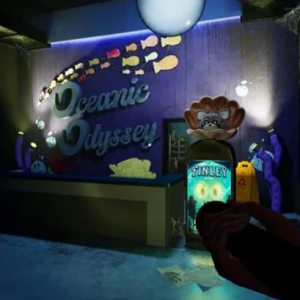

High on Life 2 continues the first-person shooter structure established in the original game while expanding movement and interaction systems. The sequel keeps the core design centered on combat, exploration, and weapon-driven mechanics. Players again assume the role of a bounty hunter navigating alien environments and completing structured missions tied to narrative progression.
Gameplay Foundation and Player Actions
The game follows a familiar loop of exploration and combat. Players move through interconnected locations, encounter hostile enemies, and complete objectives that unlock new regions or mechanics. Environmental design integrates traversal challenges alongside combat encounters, shaping pacing across missions.
Interaction with the world includes collecting items, activating devices, and engaging with non-player characters. These interactions influence mission flow and provide access to upgrades or optional activities.
Movement Systems and Traversal Mechanics
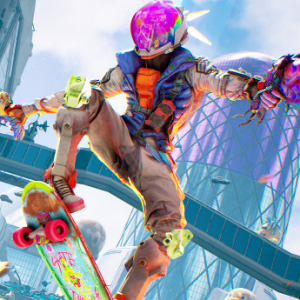
High on Life 2 introduces a skateboard as a primary mobility tool. Instead of traditional sprint-based movement, players use skating to traverse large areas, navigate vertical spaces, and reposition during combat. The skateboard supports grinding, jumping, and rapid directional changes.
Traversal becomes closely tied to level structure. Surfaces, rails, and pathways are designed to accommodate skating mechanics, encouraging players to maintain momentum while navigating environments. Movement choices affect how encounters are approached and resolved.
Between exploration segments, players regularly engage with:
- skateboard traversal across layered environments
- obstacle navigation and rail grinding
- mobility-based positioning during combat
- environmental shortcuts and hidden routes
- momentum management tied to encounter pacing
Combat Structure and Weapon Mechanics
Combat remains rooted in first-person shooter mechanics. Players use Gatlians, living weapons with distinct attack functions and behaviors. Each weapon offers unique firing modes and ability interactions, influencing how players handle enemies and tactical scenarios.
Ability cooldowns and weapon-specific mechanics define battle rhythm. Players coordinate movement and weapon usage, balancing offensive actions with situational responses. Enemy encounters vary in scale and composition, requiring adjustments in weapon selection and positioning.
Character Interaction and Dialogue Systems
Weapon interaction continues to play a central role. Gatlians actively communicate with the player, providing information, commentary, and contextual responses. Dialogue options allow players to shape certain exchanges, introducing variability in conversational flow.
This system integrates narrative elements directly into gameplay. Weapon responses and character interactions influence pacing without interrupting core mechanics.
