

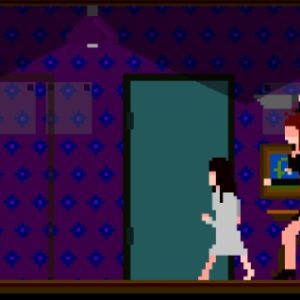
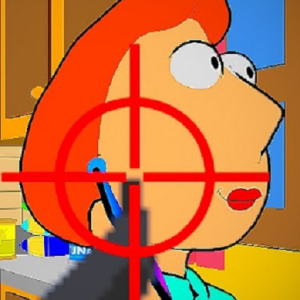
Similiar games
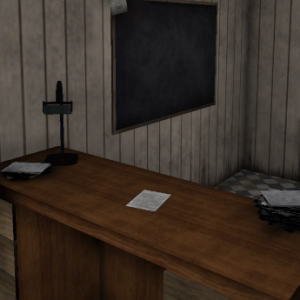
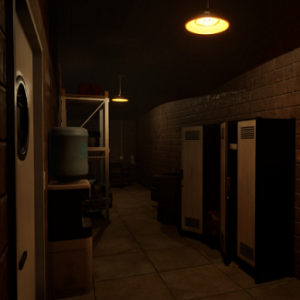
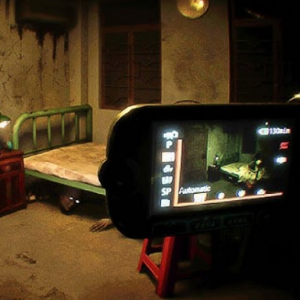
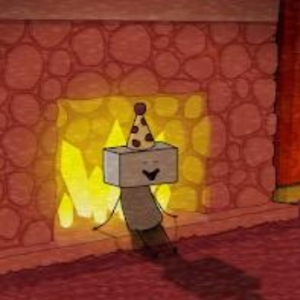
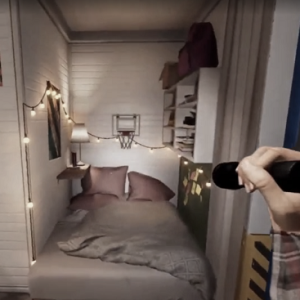
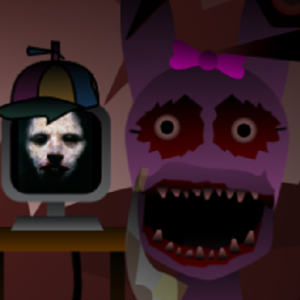
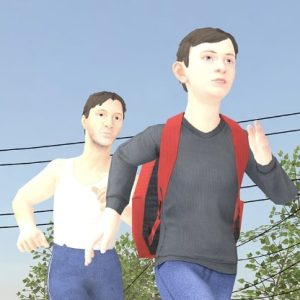
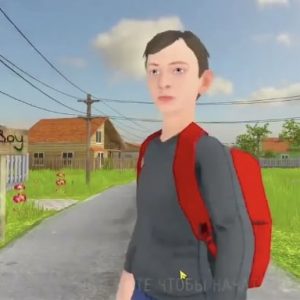
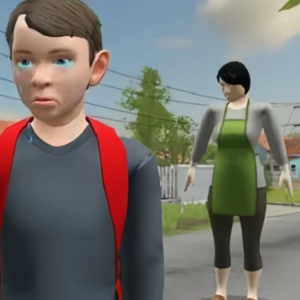
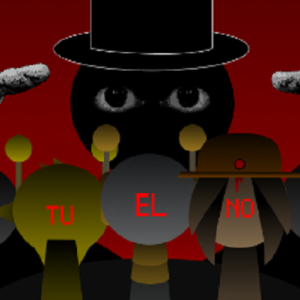
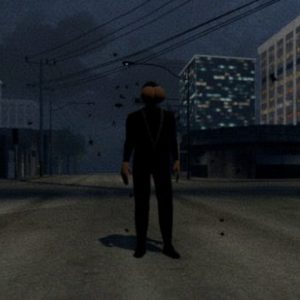
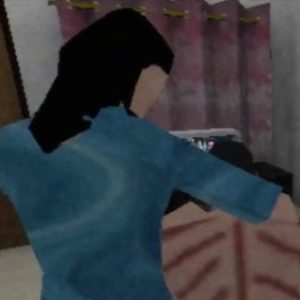
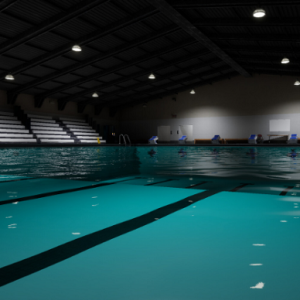
Gore In Crayon is a short horror game built around survival inside a closed indoor location. The player controls a character trapped in a house and must move through its rooms while avoiding a constant threat. There are no weapons, combat systems, or ways to fight back, so survival depends entirely on movement choices and awareness. Each session begins without explanation and ends as soon as the player is caught, which places emphasis on caution and learning the environment through experience.
Player Control And Risk Management
The control scheme in Gore In Crayon is deliberately simple, relying only on basic directional movement. Despite this simplicity, every action carries risk because the enemy moves independently through the same space. Players must decide when to advance, when to retreat, and when to remain hidden. Moving too quickly often leads to failure, while hesitation can also create danger if escape routes become limited. This balance forces players to constantly evaluate their position and surroundings.
Environmental Structure And Navigation
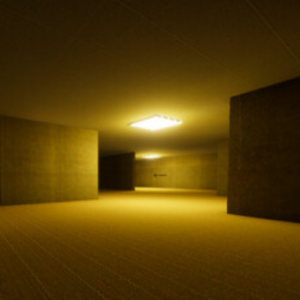
The game environment is composed of interconnected rooms, hallways, and doors that form a compact but dangerous layout. Some paths are blocked at the start and require interaction with specific objects to unlock. The space is intentionally tight, reducing safe movement options and increasing tension. Because there is no map or guidance system, players must memorize the layout and learn which areas are safer during pursuit.
During gameplay, players interact with elements such as:
- Locked doors that control access to new areas
- Objects required to progress further into the house
- Hiding places that provide short-term safety
- Narrow corridors that restrict movement choices
These elements shape how each attempt unfolds.
Learning Through Repetition
Gore In Crayon does not provide instructions or hints. Instead, progression relies on repeated attempts and observation. Each failed run teaches players more about enemy behavior, room connections, and safe timing. Since there are no checkpoints, mistakes reset progress completely, making each decision feel important. Over time, players improve by reducing unnecessary movement and choosing safer routes.
The visual presentation of Gore In Crayon is minimal and functional. Characters and environments are easy to read, which helps players react quickly under pressure. The restrained art style avoids visual distraction and keeps focus on movement and space. Lighting and color contrast are used to define boundaries and interactive areas rather than to create spectacle.
