

Similiar games












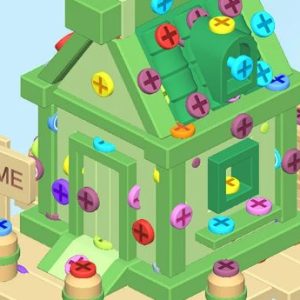


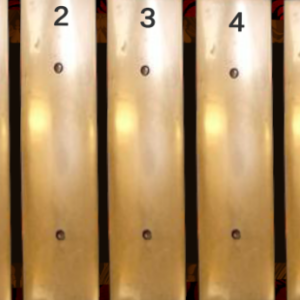
Gamelan is a rhythm-based game that places the player inside a digital interpretation of a traditional Indonesian musical ensemble. The game centers on interacting with a set of instruments that produce tones associated with Gamelan music. Players can strike, tap, or activate different musical components in real time, creating patterns that build into layered sequences. Instead of focusing on competition or progression, the game emphasizes the exploration of sound and the arrangement of musical structures within a controlled environment.
Instrument Interaction And Sound Patterns
The primary mechanics of Gamelan revolve around how players engage with individual instruments. These instruments are arranged in a virtual space where each one produces a distinct tone when activated. Players can move between them, experiment with timing, and combine their actions to form rhythmic cycles. As they interact more with the environment, they become familiar with the relationships between the tones. This structure makes the experience both interactive and educational, encouraging players to connect actions with audible outcomes.
Core Features And Game Systems
Gamelan includes several features that shape its overall gameplay:
- Interactive instruments producing unique sounds
- A layout designed to represent an ensemble setting
- Timing-based input for rhythm creation
- Layered audio feedback linked to player actions
- Optional guides that introduce musical patterns
These systems create a consistent loop in which the player listens, responds, and adjusts their timing to form coherent musical sequences.
Player Choices And Learning Opportunities
As the game progresses, players can experiment with different rhythmic ideas to understand how patterns develop over time. Some instruments work best when used in steady intervals, while others contribute accents or transitions. Because the game does not force a strict sequence, players are free to test variations and observe how each sound fits within the broader arrangement. This flexibility supports both structured learning and improvisational play. Over time, users may recognize common rhythmic structures found in traditional Gamelan music.
Replay Value And Creative Use
Gamelan encourages repeated sessions by offering an open-ended approach to music creation. Each playthrough can result in new sound patterns, depending on the timing and order of actions. Players may choose to recreate familiar rhythms or build their own arrangements by combining different instruments. The game’s design supports both individual exploration and collaborative sessions when multiplayer options are available. This gives players the opportunity to refine their timing, understand new musical relationships, and continue experimenting with fresh combinations across multiple sessions.
