

Similiar games
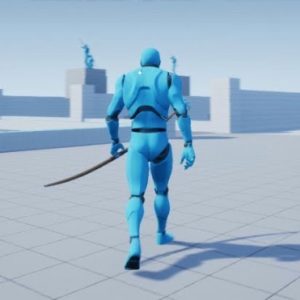
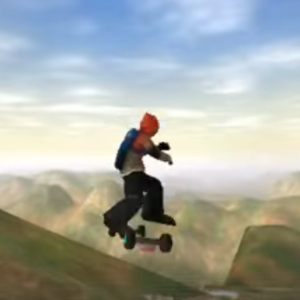
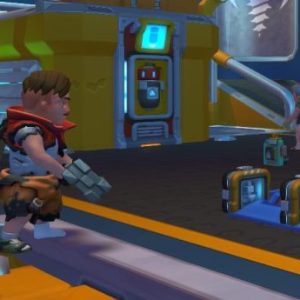



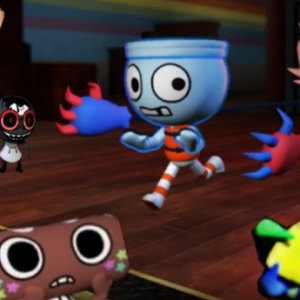


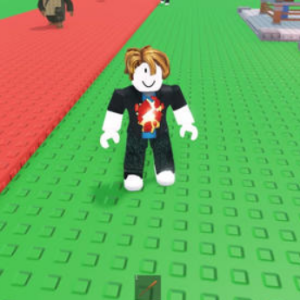

Free For Fall is a multiplayer platform game where the challenge is created by the players themselves. Each match begins with a short preparation phase instead of immediate movement. During this time, participants choose obstacles from a shared pool and place them on the course. These decisions directly affect how the level will function during the race. The game is built around the idea that player choices shape both difficulty and strategy before the action even starts.
Preparation Phase And Level Shaping
The obstacle placement phase requires players to think quickly and act with limited information. Everyone places objects on the same course, knowing they will later have to run through it. This creates a balance between helping oneself and complicating the path for others. Since the number of available obstacles is limited, players must prioritize placement rather than cover every section of the level. Once the timer ends, the course is locked in and cannot be changed.
Racing And Player Execution
After the setup phase, the match shifts into a fast-paced race. Players must navigate the course using standard platforming actions such as jumping, timing movement, and maintaining momentum. Because the obstacles were placed moments earlier, the level often feels unpredictable. Players who remember the layout and adapt their movement accordingly gain an advantage. Finishing the course successfully is the main objective, and hesitation often leads to failure.
At the center of the gameplay loop are several systems that work together during each round:
- Shared obstacle placement before the race
- Real-time platform movement and timing
- Competitive multiplayer for small groups
- Courses that change every match
- Clear win conditions based on completion
Match Length And Replay Structure
Matches in Free For Fall are intentionally short. This design allows players to replay multiple rounds in a single session without long breaks. There are no complex menus or extended progression systems between games. Each new round resets the environment, encouraging players to try different strategies or placement patterns. This structure keeps the focus on moment-to-moment decisions rather than long-term planning.
Free For Fall relies on interaction between players rather than scripted content. Over time, groups develop their own approaches to obstacle placement and racing routes. Some matches become competitive, while others turn experimental, depending on how players choose to shape the course. The simplicity of the rules allows the game to remain accessible, while the shared control over the level ensures that no two races play out in exactly the same way.
