

Similiar games

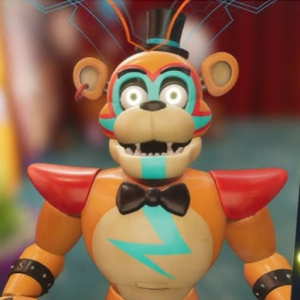
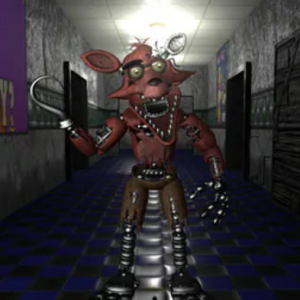
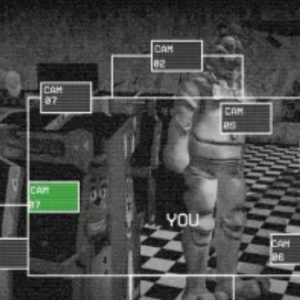
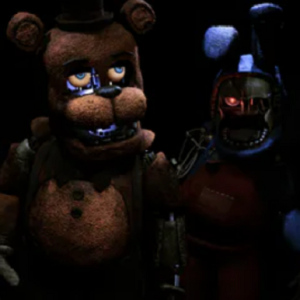
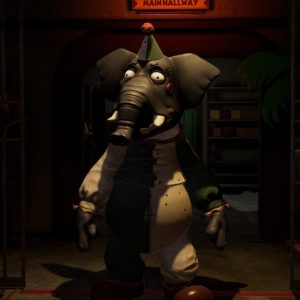
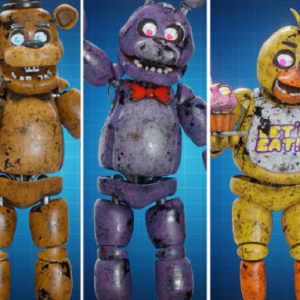
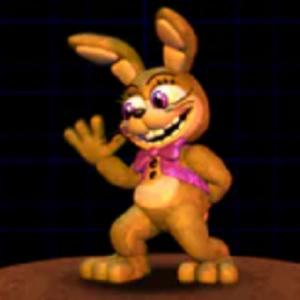

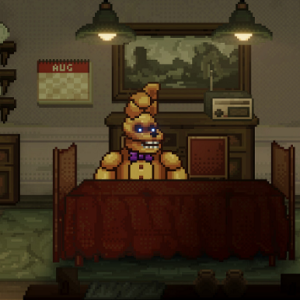

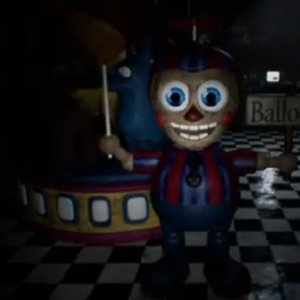
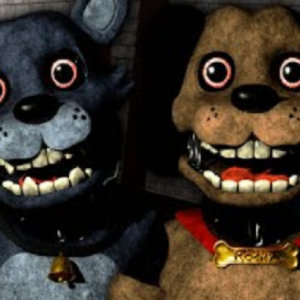
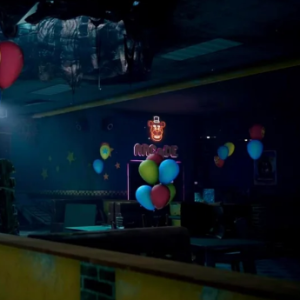
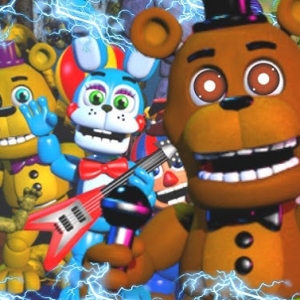
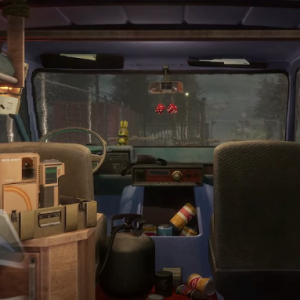
Five Nights at Frickbears 4 is a survival horror game that builds on the structure of earlier entries while shifting the player’s role into a more confined and reactive environment. Instead of relying heavily on surveillance systems, the gameplay places emphasis on awareness, timing, and direct response to threats. The player must survive multiple nights by managing limited tools and reacting to animatronic movement that is not always visible. This approach follows the general evolution of the genre, where audio and proximity become more important than constant visual monitoring .
Gameplay Focus And Control
The core gameplay revolves around defending a small space while responding to cues from different directions. The player must check specific points, use light sources, and react quickly when a threat is detected. Unlike earlier formats, there is reduced reliance on static camera systems, which shifts responsibility toward active listening and timing.
Each night increases pressure by introducing faster reactions and more complex patterns. The player must learn how to interpret signals correctly, as mistakes often lead to immediate failure rather than gradual escalation.
Threat Behavior And Mechanics
Enemies in the game follow varied patterns, forcing the player to adjust strategies constantly. Some approach directly, while others rely on delayed or indirect behavior that can mislead the player.
- Multiple animatronics with distinct approach patterns
- Dependence on audio cues for detection
- Use of limited tools such as light or doors
- Rapid reaction requirements during encounters
- Increasing unpredictability in later nights
Environment And Spatial Design
The environment is more restricted compared to earlier versions, often centered around a single room or a small set of connected areas. This limitation increases tension, as players cannot rely on distance or full visibility. Every direction becomes a potential threat point.
Progression is structured through consecutive nights, but the experience varies depending on how the player manages each situation. The same environment can feel different as enemy behavior changes over time.
Replayability And Skill Development
Replayability is based on mastering patterns and improving reaction timing. Each attempt allows the player to better understand how enemies behave and how to respond efficiently.
The game encourages repetition through its difficulty structure. Progress depends on learning from previous failures and refining decision-making under pressure, making each successful run the result of accumulated experience rather than random outcomes.
