


Similiar games

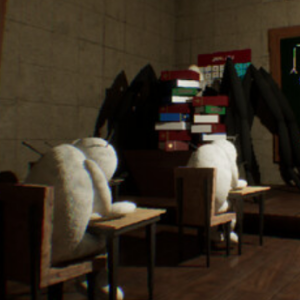


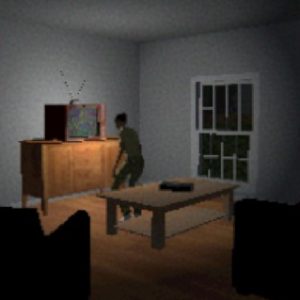






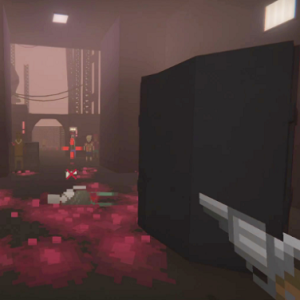




Five Nights At Epstein’s is an independent browser-based horror game that follows a survival format similar to classic night-shift simulators. The player takes the role of a character trapped in a confined location and must survive a sequence of five nights while avoiding detection. The game is not officially connected to any major franchise but clearly follows mechanics inspired by the Five Nights formula.
Core Gameplay Structure
The gameplay is built around monitoring systems and managing limited resources. Players typically interact with surveillance cameras, ventilation controls, and sound-based distractions to track movement and prevent encounters. Each night increases in difficulty as enemy behavior becomes less predictable and more aggressive.
The environment is static, and most actions are performed through an interface rather than direct movement. The objective remains consistent: survive until morning without being caught. Failure usually results in a reset to the beginning of the current night.
Mechanics And Player Actions
To progress, the player must combine observation with timing. The interface allows switching between cameras, triggering audio cues, and managing systems such as airflow or power. These mechanics create constant pressure, as focusing on one system may cause another to fail.
Key gameplay elements include:
- Monitoring multiple camera feeds
- Using sound to distract threats
- Opening and closing vents strategically
- Managing limited resources such as power or oxygen
- Reacting quickly to audio or visual cues
This structure encourages pattern recognition and repeated attempts, as players learn how threats behave over time.
Setting And Narrative Context
The game is set in a fictionalized location based on a real-world reference, which has contributed to its online visibility and discussion. The player is portrayed as a victim attempting to survive until rescue arrives, typically by hiding and avoiding detection throughout the night cycle.
There is minimal direct storytelling. Instead, context is implied through environment, sound design, and gameplay progression. The narrative remains secondary to the survival mechanics.
Distribution And Accessibility
Five Nights At Epstein’s is widely distributed as a free online game that can be played directly in a browser without installation. It is accessible across desktop and mobile devices, which has contributed to its rapid spread among users.
The lack of registration requirements and instant access lowers the barrier to entry. However, this accessibility has also led to increased attention from institutions and discussions about content control.
