

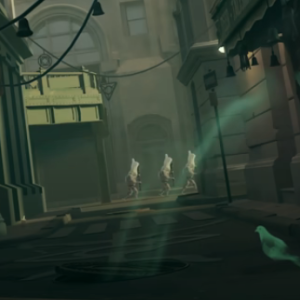
Similiar games






Deadlock is a team-focused multiplayer game designed around objective control and coordinated actions. Each match takes place on a structured map where two teams compete to advance through predefined lanes. Players select characters with specific abilities that determine their role during the match. Victory is achieved by systematically removing enemy defenses and reaching the central objective of the opposing team. This structure places emphasis on planning, positioning, and shared responsibility rather than isolated performance.
Match Organization
A match begins with players spreading across lanes to establish early control. Automated NPC units move forward along each lane and act as both pressure tools and resource providers. Players earn currency by defeating these units and enemy characters, which can then be invested into upgrades during the match. Movement mechanics allow players to rotate between lanes, assist teammates, or disengage when necessary. Teams that adapt quickly to changes in lane pressure usually gain a structural advantage.
System Interaction
Deadlock relies on multiple systems that function at the same time and influence player decisions. Combat requires accurate aiming and ability usage, while objectives require awareness of timing and map state. Players must constantly evaluate whether to engage opponents or focus on progression. The main systems that shape gameplay include:
- Team-based matches with fixed player counts
- Lane-driven maps with automated NPC advancement
- Currency gained through combat and objectives
- Upgrade systems that scale during the match
- Objective chains that unlock access to the final core
These elements interact continuously and define how matches evolve.
Strategic Development
As the match progresses, decisions carry greater consequences. Upgrades increase character effectiveness, but errors can result in lost structures or extended downtime. Teams must decide when to defend, when to push, and when to regroup. Late stages of a match often depend on coordination across multiple lanes and correct use of abilities. Resource management and timing become critical factors that influence the outcome of major engagements.
Design Approach
Deadlock is developed with a focus on balance, clarity, and long-term competitive viability. Ongoing testing phases are used to refine mechanics, adjust character roles, and improve overall flow. While individual systems may change over time, the core structure remains consistent. The game encourages players to understand its mechanics and apply them through teamwork and structured decision-making, reinforcing a stable competitive environment built around repeatable matches.
